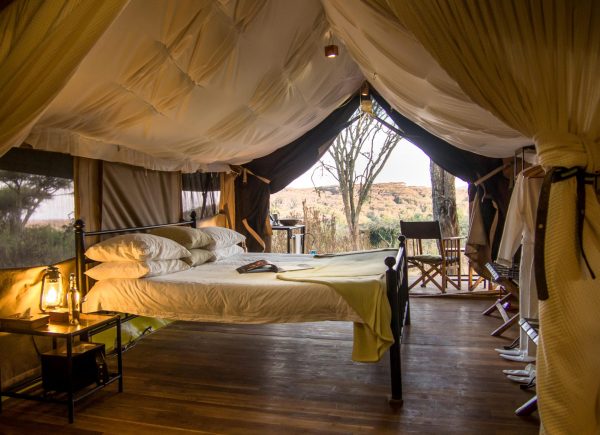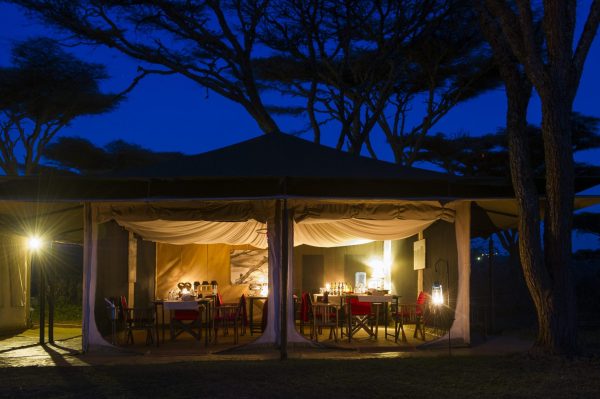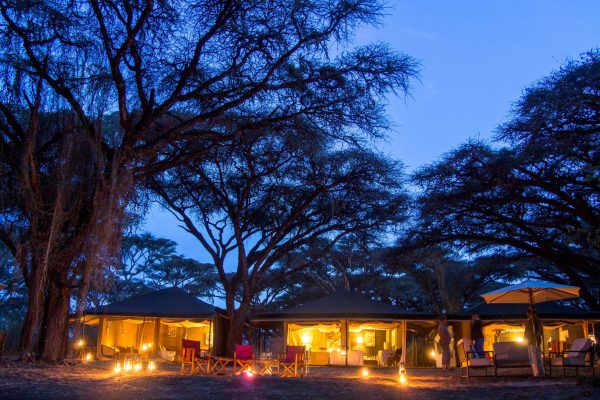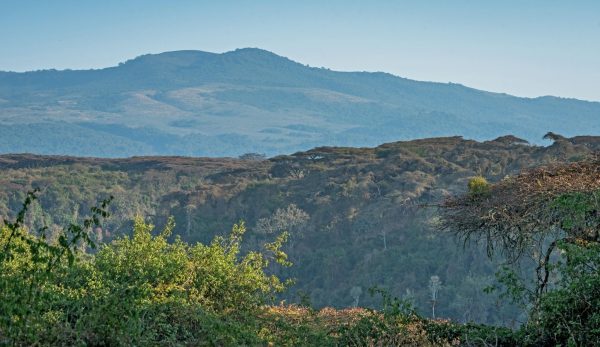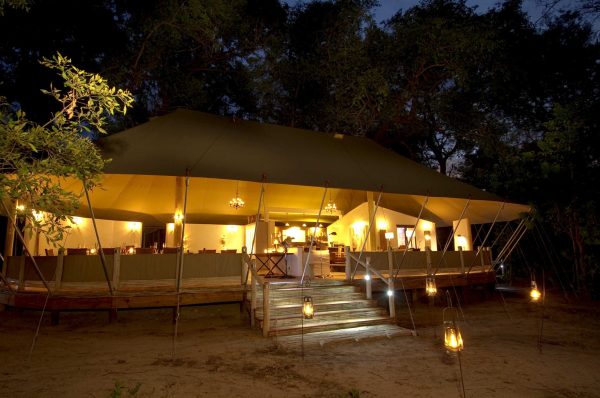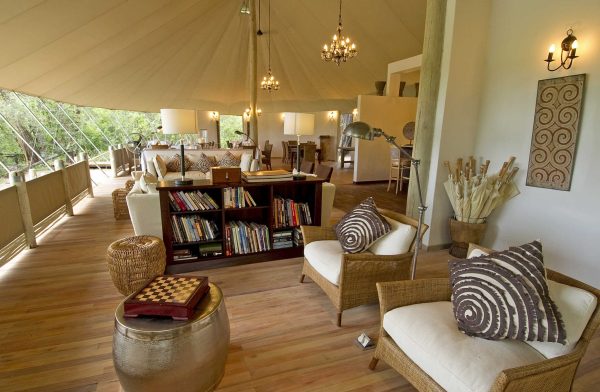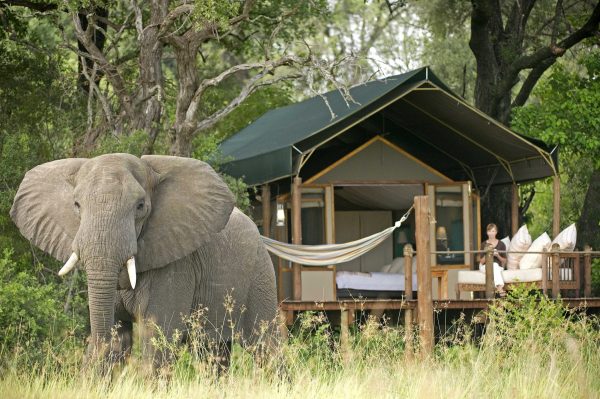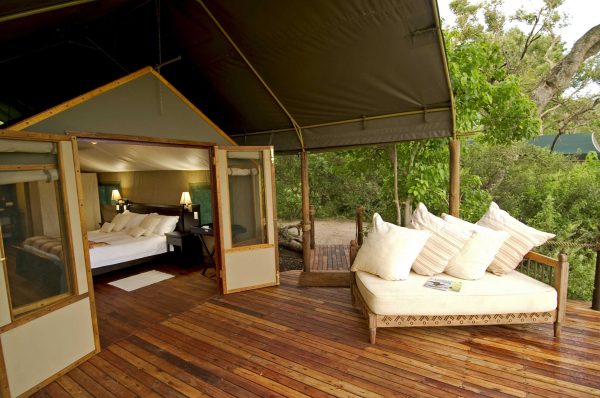
Discover the magic of Kenya on a journey through three of its most iconic wilderness regions, each offering a distinct safari experience.
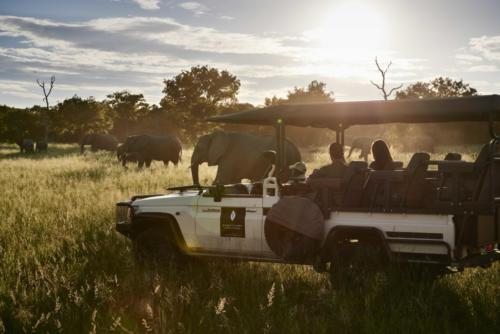
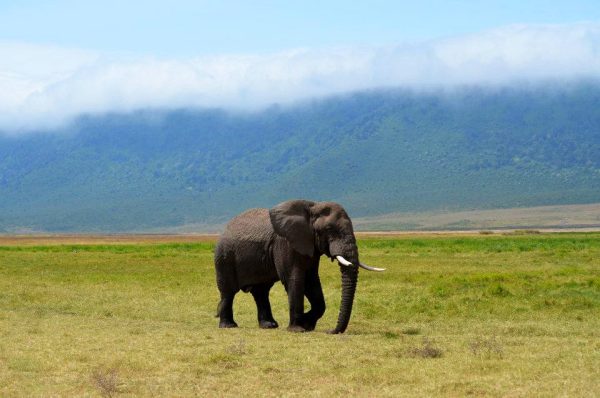
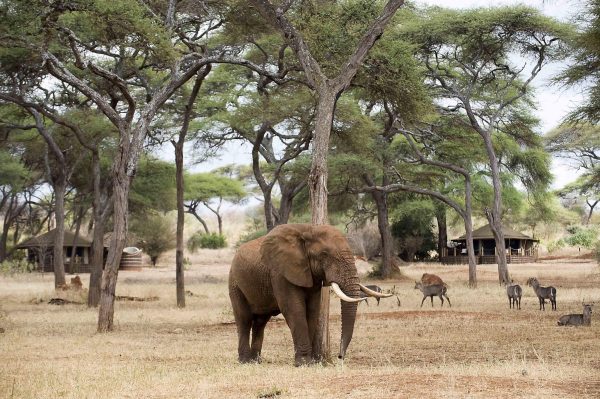
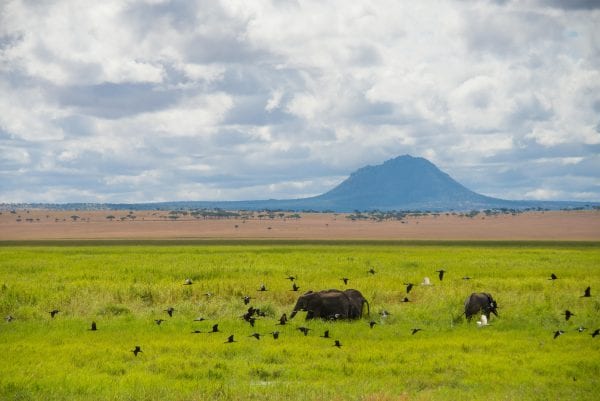
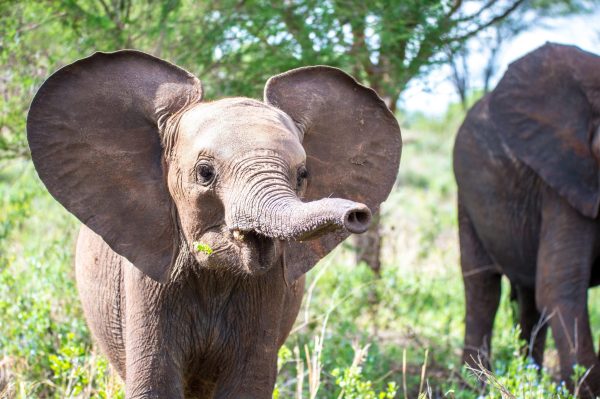
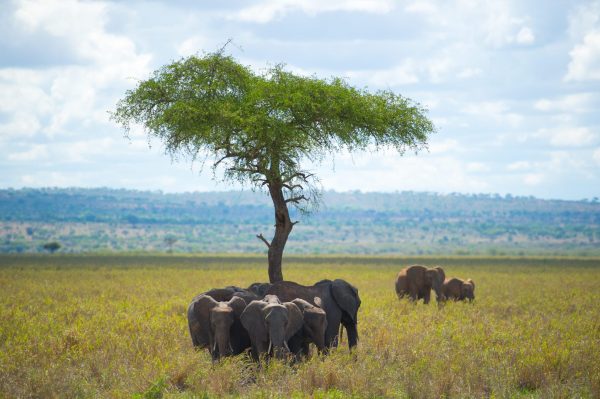
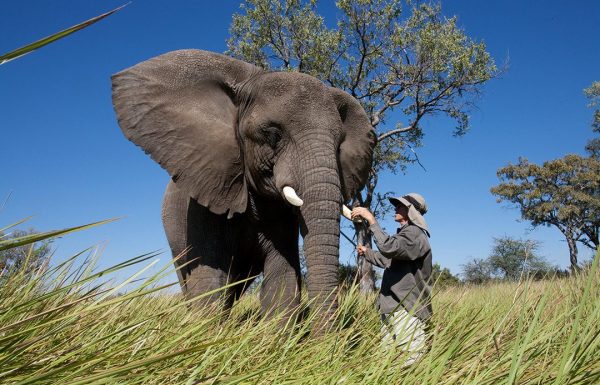
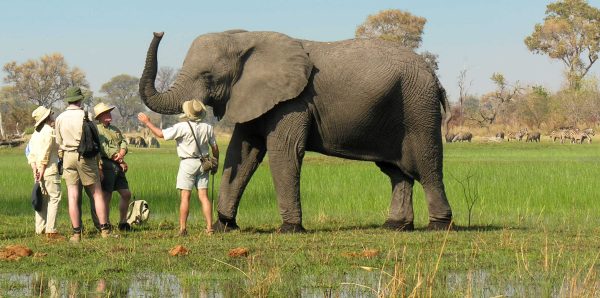
Begin in Amboseli National Park, famous for its sweeping savannas set against the dramatic backdrop of Mount Kilimanjaro. Here, vast herds of elephants roam freely, alongside giraffe, buffalo, and big cats, creating one of Africa’s most photographed wildlife settings. Morning and evening game drives reveal Amboseli at its most spectacular, with soft golden light illuminating the snow-capped peak.
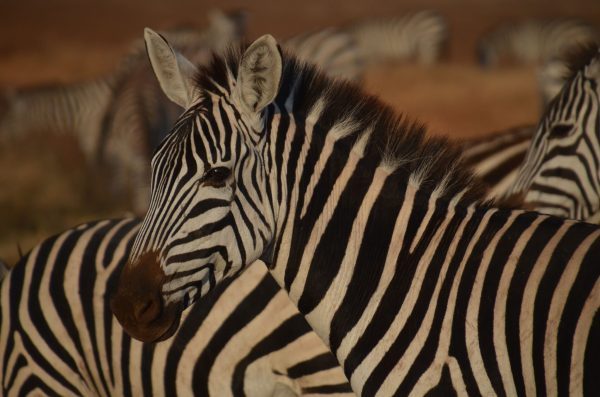
Continue to Lewa Downs Conservancy, a private UNESCO World Heritage Site in northern Kenya. Known for its pioneering conservation work, Lewa is a sanctuary for endangered rhino and Grevy’s zebra, while also offering superb sightings of lion, cheetah, and elephant. With fewer visitors and vast open landscapes, Lewa provides a sense of exclusivity and intimacy—ideal for slow safari days, guided bush walks, and cultural encounters with the local Samburu communities.
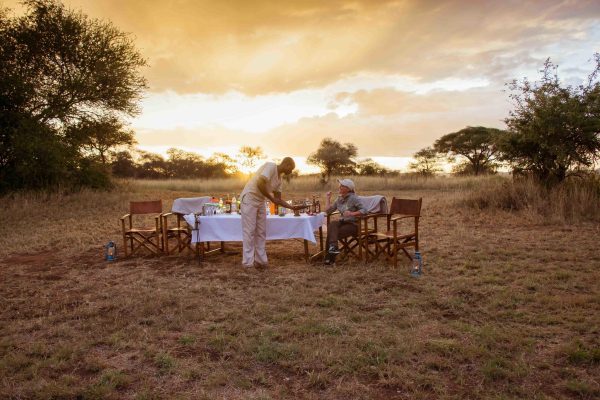
End your journey in the legendary Maasai Mara National Reserve, one of the most celebrated safari destinations on earth. The Mara is home to the Big Five year-round, and during the Great Migration (July–October), it becomes the stage for one of nature’s most breathtaking spectacles: millions of wildebeest and zebra crossing the plains and rivers under the watchful eyes of predators. Balloon safaris at sunrise, bush breakfasts, and visits with the Maasai people add depth to this quintessential African safari.
Seamlessly curated with expert guides, handpicked lodges, and private game viewing experiences, this safari is designed to capture the true spirit of Kenya. From Amboseli’s elephants beneath Kilimanjaro to Lewa’s conservation success stories and the drama of the Mara’s vast plains, this journey offers not just incredible wildlife, but also a deep connection to Kenya’s landscapes, culture, and conservation legacy.
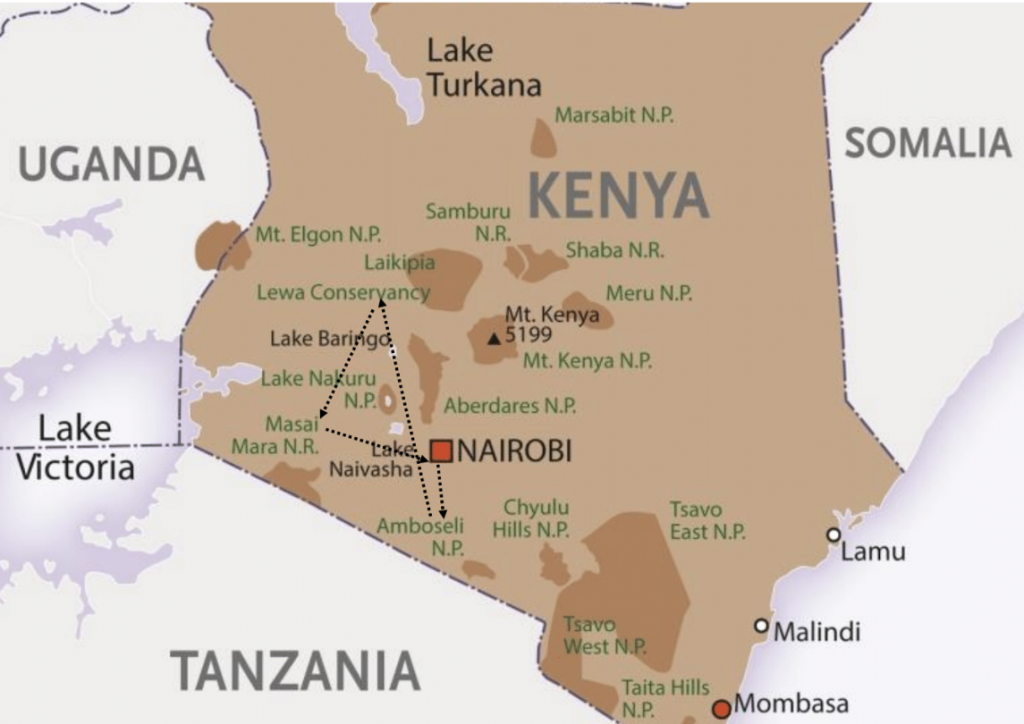
Nairobi – Amboseli National Park – Lewa Downs – Masai Mara National Park
Arrive at Jomo Kenyatta International Airport, clear immigration procedures, meet your guardian angel who will transfer you to your Nairobi hotel.
Nairobi is the largest city between Cairo and Johannesburg. Though just south of the equator, it enjoys a spring-like climate. It is a modern city, yet its main avenues blaze with colour from tropical bushes and vines. Shopping in Nairobi varies from African clothing and craft shops to bazaar stalls and open-air markets where souvenir hunters find bargains ranging from woodcarvings to Persian carpets.
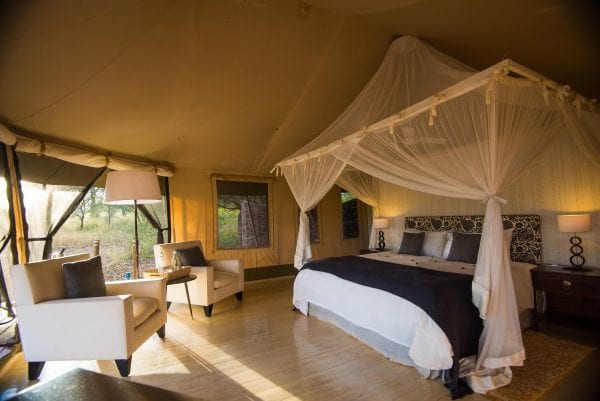
Bronze: Crown Plaza Nairobi Airport
Silver: Ole Sereni Hotel
Gold: Hemingways Nairobi
Nairobi is the largest city between Cairo and Johannesburg. Though just south of the equator, it enjoys a spring-like climate. It is a modern city, yet its main avenues blaze with colour from tropical bushes and vines. Shopping in Nairobi varies from African clothing and craft shops to bazaar stalls and open-air markets where souvenir hunters find bargains ranging from woodcarvings to Persian carpets.
After an early breakfast, drive to Amboseli National Park. Arrive in time for lunch and an afternoon game drive.
Amboseli National Park, at the foot of Africa’s highest mountain Kilimanjaro, is one of the most popular of all Kenya’s national parks. The snow-capped peak of Mount Kilimanjaro rising above a saucer of clouds dominates every aspect of Amboseli National Park. The snows of Kilimanjaro, white and crystalline, also form a backdrop to one of Kenya’s most spectacular displays of wildlife – lion, elephant, leopard, cheetah, buffalo and a host of plains game making the park a photographer’s paradise.
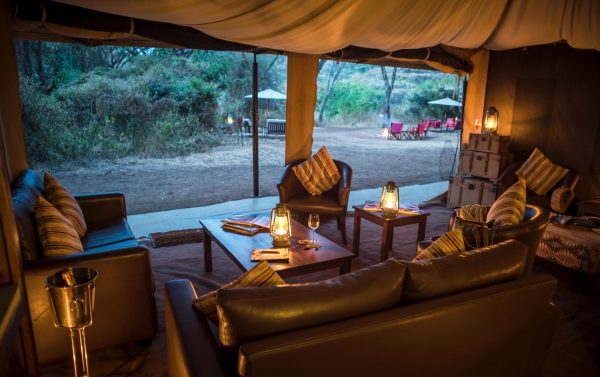
Bronze: Kilima Camp – Breakfast, lunch & dinner included
Silver: Tortillis Camp – Breakfast, lunch & dinner included
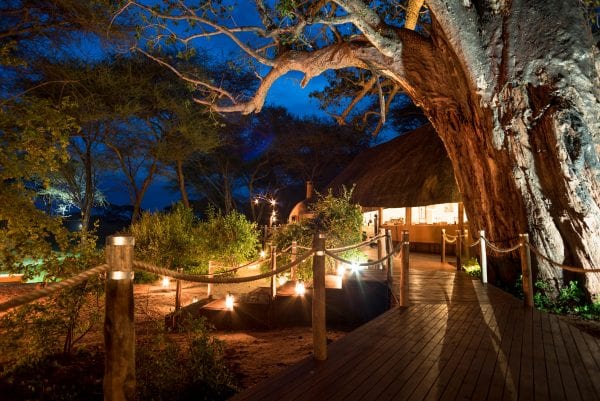
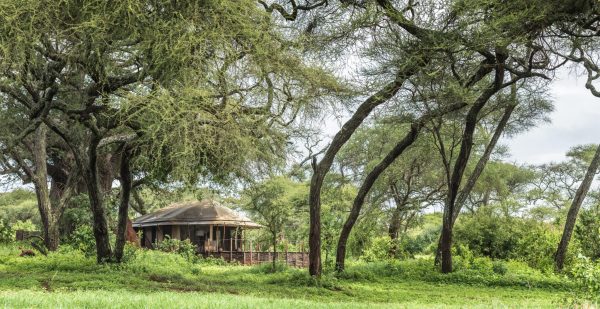
Gold: Tawi Lodge – Breakfast, lunch & dinner included
Amboseli National Park, at the foot of Africa’s highest mountain Kilimanjaro, is one of the most popular of all Kenya’s national parks. The snow-capped peak of Mount Kilimanjaro rising above a saucer of clouds dominates every aspect of the park. The snows of Kilimanjaro, white and crystalline, also form a backdrop to one of Kenya’s most spectacular displays of wildlife – lion, elephant, leopard, rhino, cheetah, buffalo and a host of plains game and the combination makes the park a photographer’s paradise.
As the sun creeps above the horizon set out on your first game drive of the day. This is the best time to see Mount Kilimanjaro in all her glory and capture that iconic image of the elephants in front of the world’s tallest freestanding mountain. In the afternoon you have time for a siesta before setting out again in the golden light of sunset on a second game dive.
Bronze: Kilima Camp – Breakfast, lunch & dinner included
Silver: Tortillas Camp – Breakfast, lunch & dinner included
Gold: Tawi Lodge – Breakfast, lunch & dinner included
Transfer to the airstrip for the flight to Nairobi connecting onto the Lewa Wildlife Conservancy. Lewa was one of Kenya’s first private conservancies and is the best place to see Black rhino in East Africa. Arrive in time for lunch and an afternoon game drive.
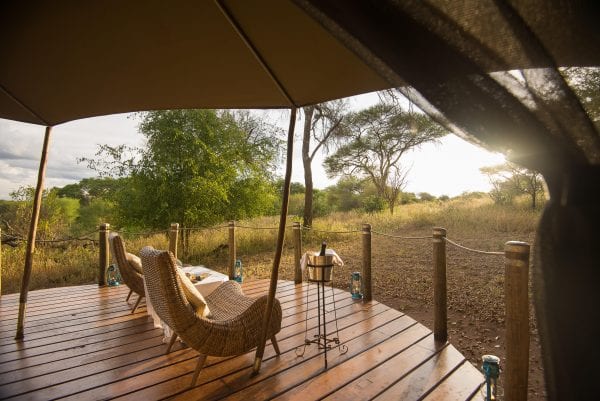
Bronze: Lewa Safari Camp – Breakfast, lunch & dinner included
Silver: Kifaru House – Breakfast, lunch & dinner included
Gold: Sirikoi – Breakfast, lunch, dinner & limited beverages included
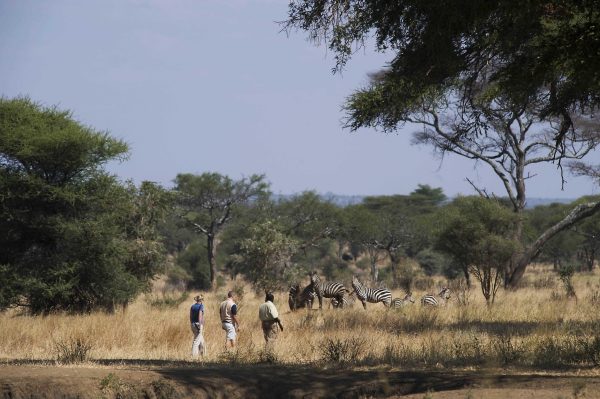
Head out on a morning nature walk and an afternoon game drive. You have the option to explore Lewa on horse or camel back (at additional cost) which is best way to get close up with the wildlife.
Lewa Wildlife Conservancy is a family owned 60,000-acre game reserve and UNESCO World Heritage Site located in the foothills of Mt. Kenya. It is home to animal species not seen in the southern hemisphere, including reticulated giraffes, the endangered Grevy’s zebra and blue-skinned Somali ostrich. Black and White rhino, introduced here in the early eighties in an effort to conserve the species from poachers, thrive here and are often relocated to other parks and wildlife areas in Kenya.
Bronze: Lewa Safari Camp – Breakfast, lunch & dinner included
Silver: Kifaru House – Breakfast, lunch & dinner included
Gold: Sirikoi – Breakfast, lunch, dinner & limited beverages included
Transfer to the airstrip for the flight to the Masai Mara at 09:35am approximately. Arrive in time for lunch and an afternoon game drive.
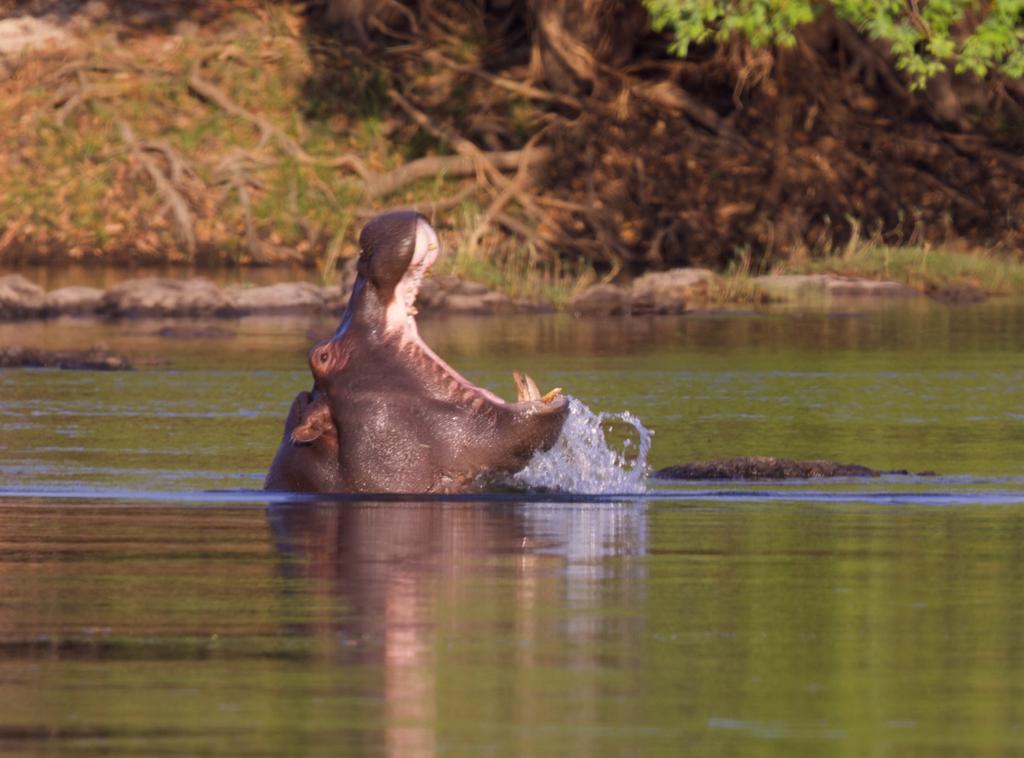
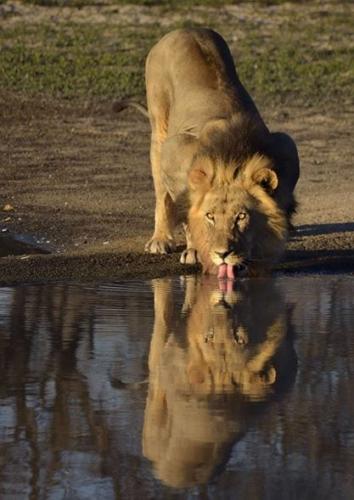
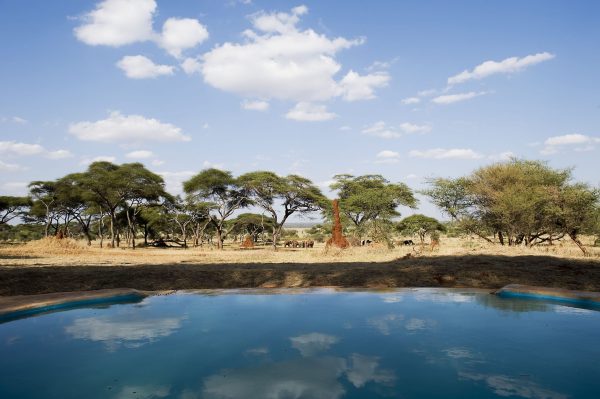
The jewel in Africa’s crown, Masai Mara is host to the most spectacular array of wildlife. Her 1,510 square kilometres (583 square miles) of open savannah, woodlands and tree-lined rivers create an eco-system which supports huge numbers of bird and mammal species. Lion are found in abundance throughout the park as are elephant, giraffe, a variety of gazelle species and zebra. Cheetah and leopard are also regularly seen and, if lucky, you may also find rhino.
Bronze: Elephant Pepper Camp – Breakfast, lunch & dinner included
Silver: Ol Seki Hemingways – Breakfast, lunch & dinner included
Gold: Mara Plains – Breakfast, lunch, dinner & limited beverages included
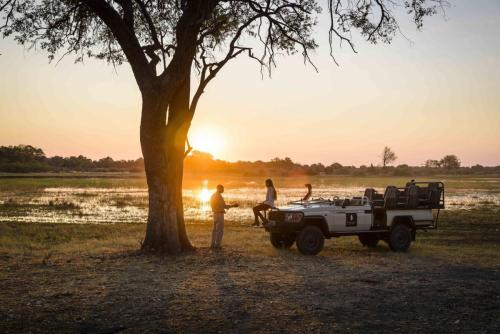
Morning game drive in the full splendour of one of the world’s most densely populated wildlife area – the famed Masai Mara. In the afternoon you have the option to visit a Masai Village, a fascinating cultural experience.
Bronze: Elephant Pepper Camp – Breakfast, lunch & dinner included
Silver: Ol Seki Hemingways – Breakfast, lunch & dinner included
Gold: Mara Plains – Breakfast, lunch, dinner & limited beverages included
Fly back to Nairobi at 11:00am and have lunch. Afterwards, there is some time to do some shopping in the city before being transferred to Jomo Kenyatta International Airport for the onward flight.

BEST TIME TO TRAVEL
BEST TIME TO TRAVEL
The Kenyan shilling is divided into 100 cents. Notes are issued in denominations of 50, 100, 200, 500 and 1000 shillings. Coins are issued in denominations of 1, 5, 10, 20 and 40 shillings. 50 cent coins are available, but not commonly used.
The local currency you will need during your stay in Kenya should be obtained at authorised facilities such as banks and foreign exchange bureaus. Currency can also be exchanged at the Nairobi Airport on arrival. It is very difficult to exchange the shilling outside of Kenya so we recommend that you change only as much as you will need. Major credit cards are accepted at most outlets in Kenya. At Sanctuary Olonana we accept Visa, MasterCard or Amex, as well as cash and travellers cheques, and cash at our camp sites.
Tipping is not obligatory general suggestions are as follows: $15 per guest per day for the guide and $15 per guest per day for the rest of the staff.
The climate in Kenya is mainly characterised by warm days and cool evenings. December to March are usually the warmest months of the year, while June to August are the coolest. April and May often see intermittent rains, and from September to November the days are warm with short scattered rains falling in November.
GMT + 3 hours.
Kenya’s official languages are Swahili and English.
The South African immigration department has expressed concern about the growing issue of global child trafficking and announced new requirements for adults travelling with children under the age of 18, which will take effect from 1 June 2015.
Parents travelling with children would now be requested to provide an unabridged birth certificate (including the details of the child’s father as well as the mother) of all travelling children. This applies even when both parents are travelling with their children. When children are travelling with guardians, these adults are required to produce affidavits from parents proving permission for the children to travel. The above applies to foreigners and South Africans travelling to or from South Africa as well as travellers in transit.
For more information on Kenya travel please visit http://ktb.go.ke/
Travellers should check for visa requirements pertaining to their citizenship, as entry requirements vary between countries. All travellers, however, must be in possession of a passport with at least six months of validity left beyond the intended departure date from Kenya.
• Foreign visitors may be required to obtain a visa to enter Kenya.
• Please visit http://www.kenya.visahq.com for a full list of nationalities which require visas for entry into Kenya.
• Passports must be valid for at least 6 months beyond the completion of this trip.
• Please Note that immigration requires you to have two blank pages in your passport per entry; without this you will be denied entry.
• International Departure Tax is required by all passengers departing from Kenya. In most cases the tax is included in your international air ticket. If tax has not been included then it must be paid at the airport prior to departure.
RATES
Different package levels are Bronze, Silver & Gold.
From $6,429 – $22,947 USD – Please enquire for detailed rates.
Rates are per person twin or double share.
Single Supplements on request.