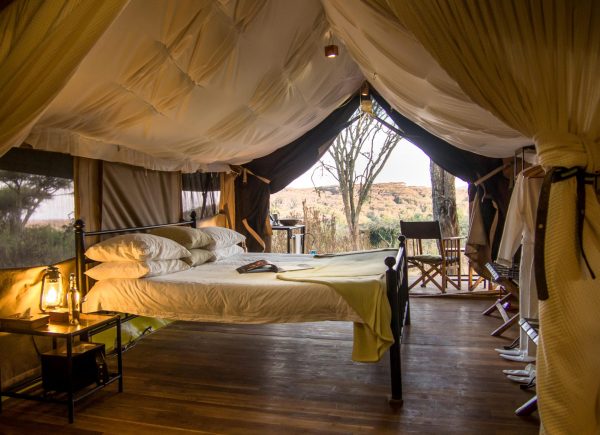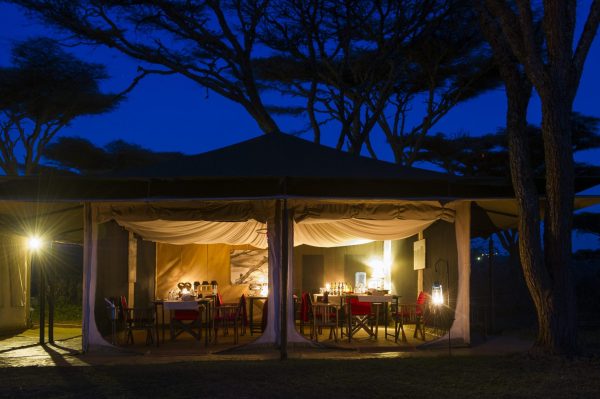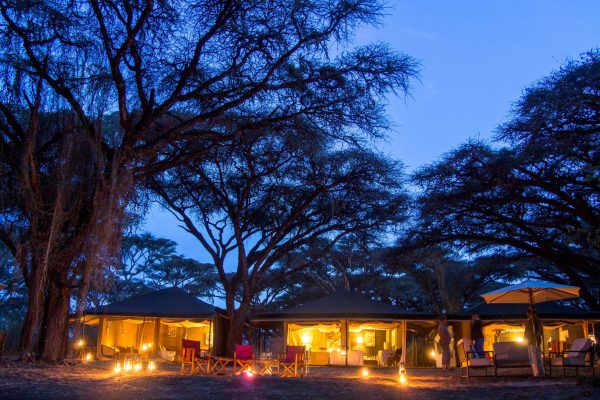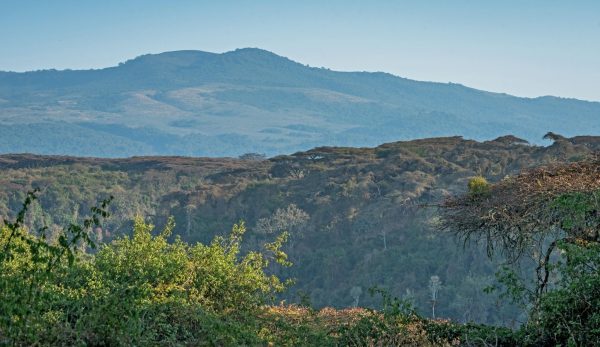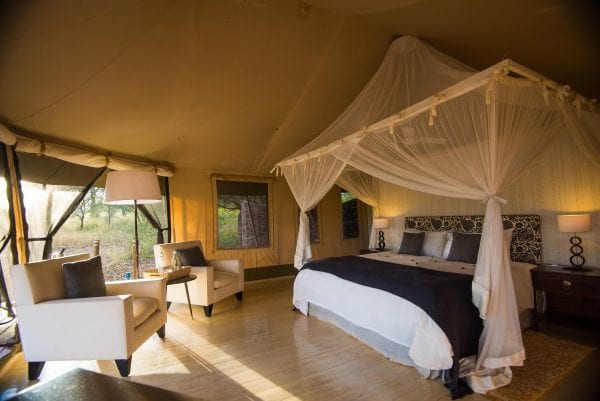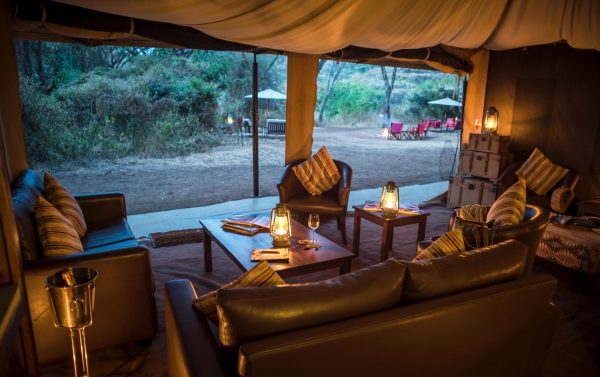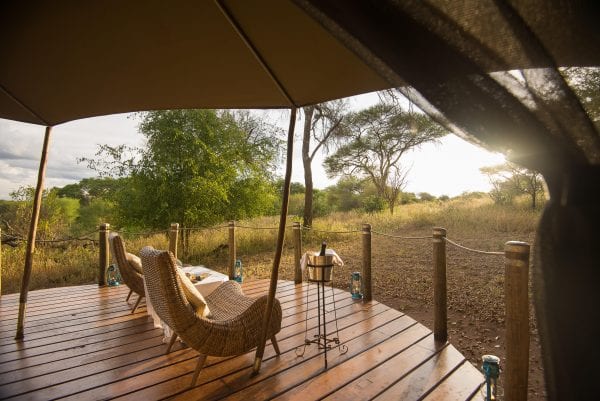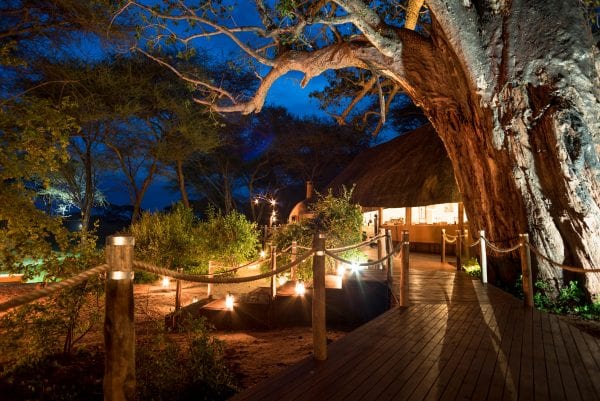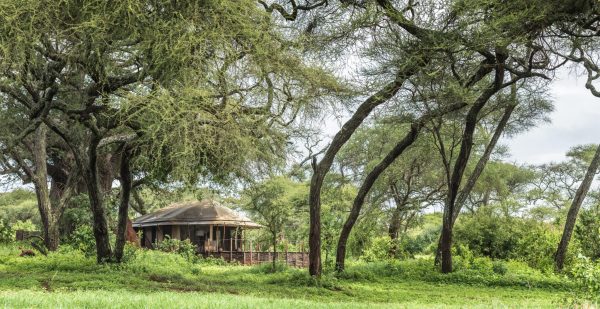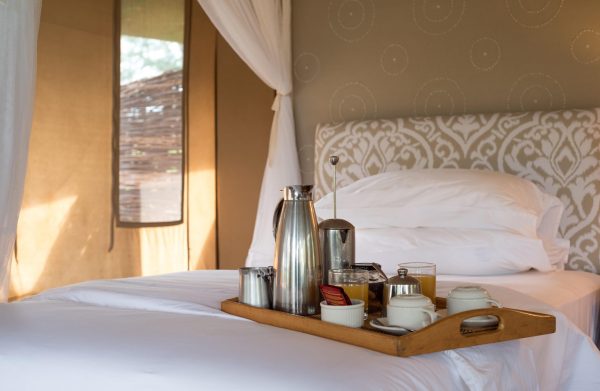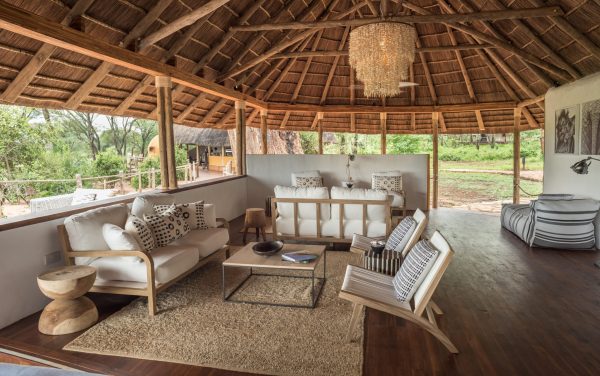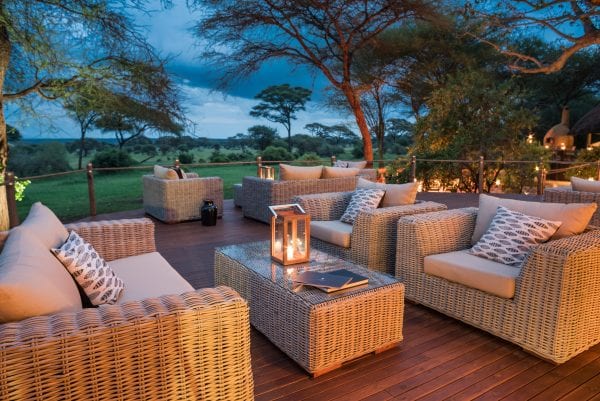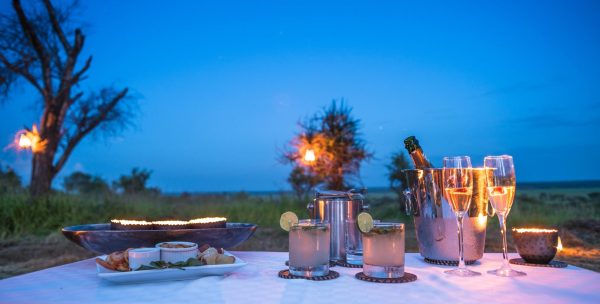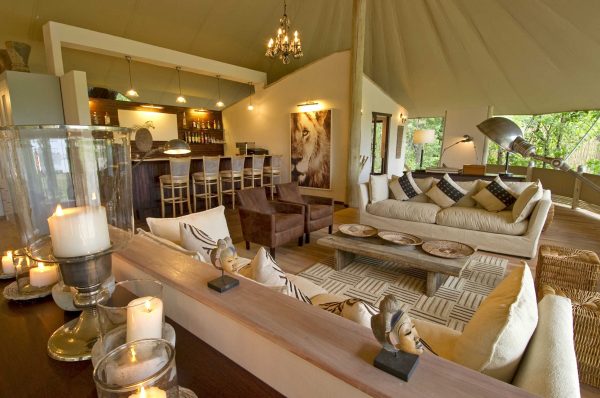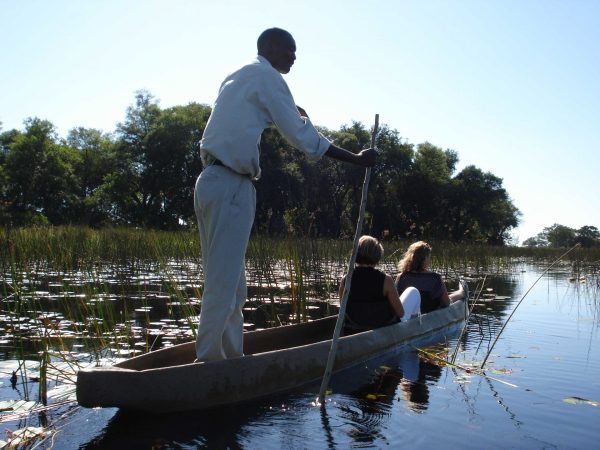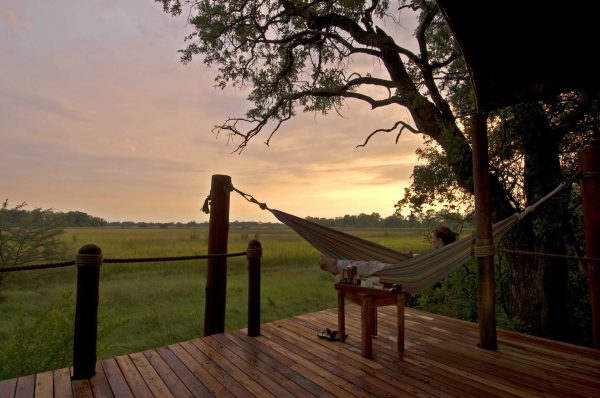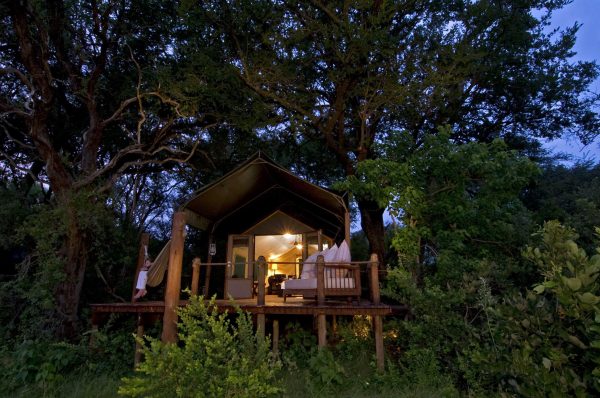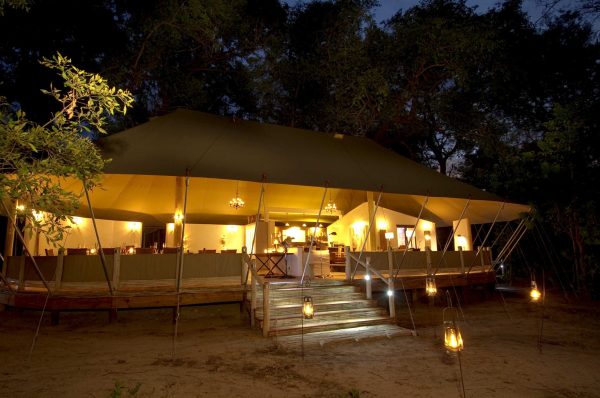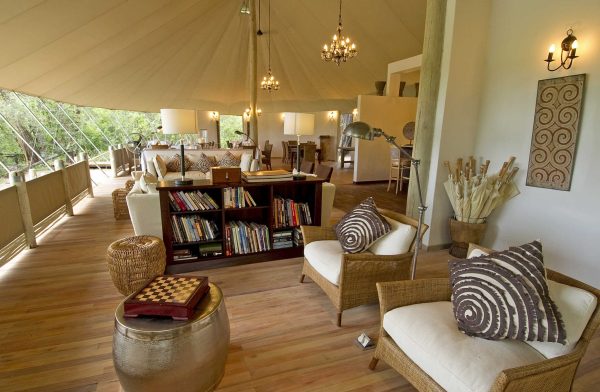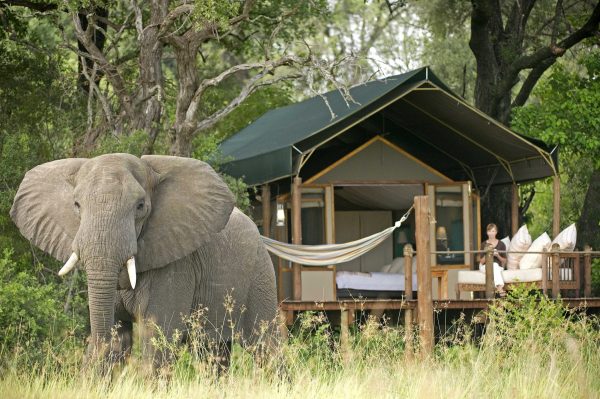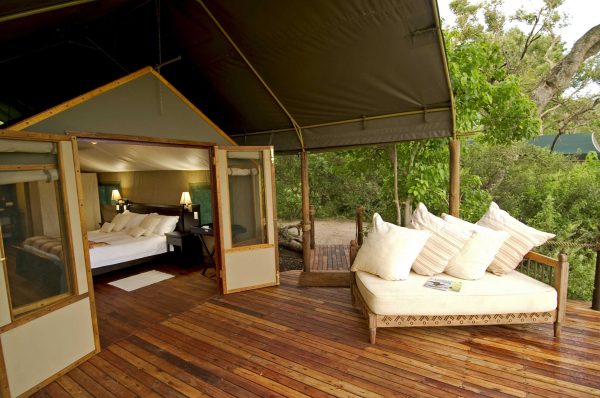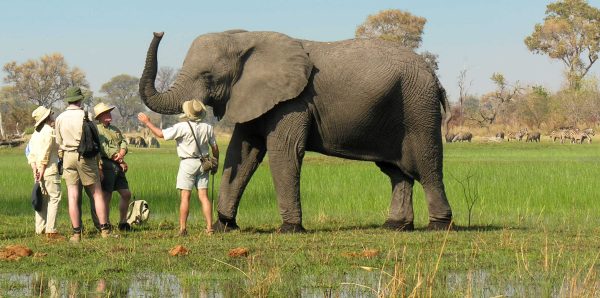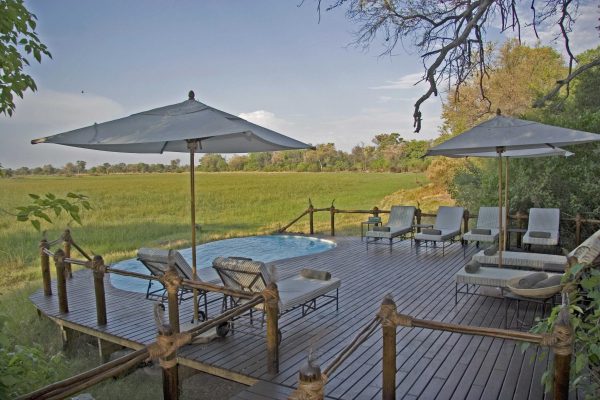
A&K’s Best of Tanzania safari blends luxury, adventure, and authenticity across the country’s most iconic landscapes. From the vast savannas and craterlands to the drama of the Great Migration, every day brings unforgettable wildlife moments—seamlessly guided and beautifully curated.
Expect world-class service, exclusive game viewing, and meaningful cultural connections, all while supporting conservation and local communities. Whether it’s your first safari or your tenth, this journey offers a deeply immersive and soul-stirring African experience.
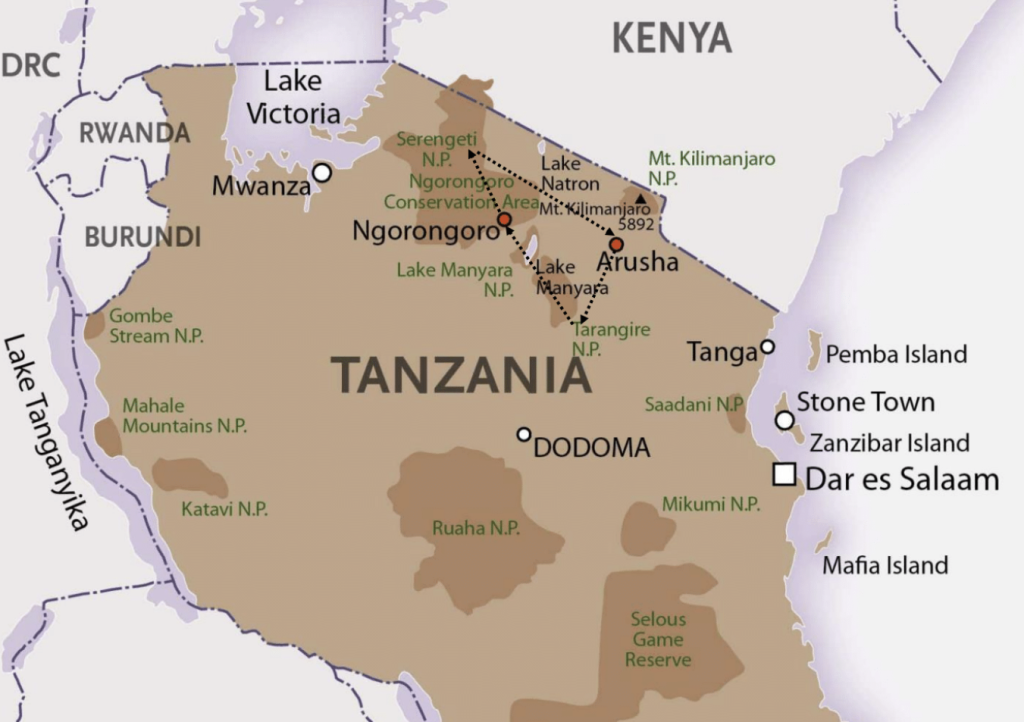
Tarangire – Ngorongoro Conservation Area – Serengeti National Park
On arrival at Kilimanjaro International Airport, you are met by our representative and transferred to your hotel in Arusha for the night.
Bronze: Four Points Arusha
Silver: Lake Duluti Lodge
Gold: Legendary Lodge
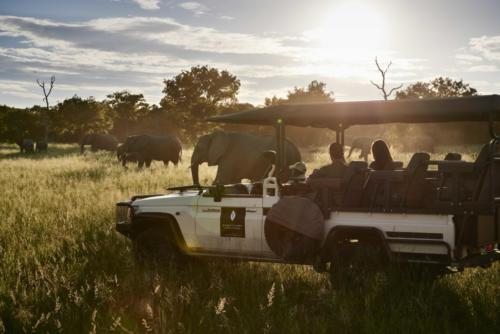
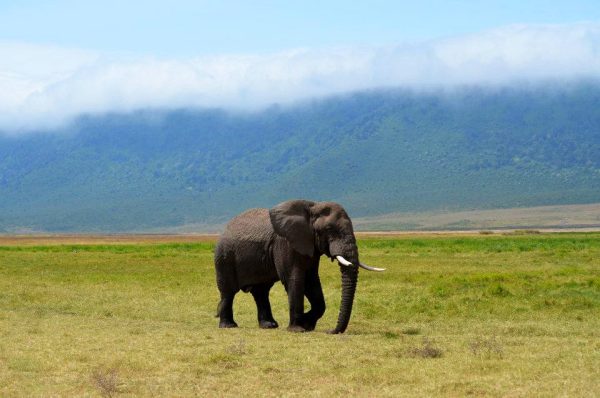
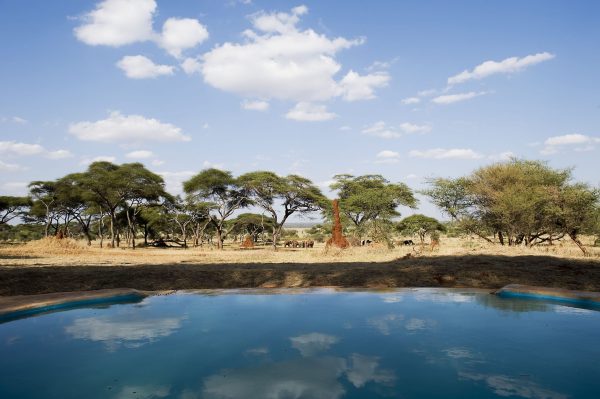
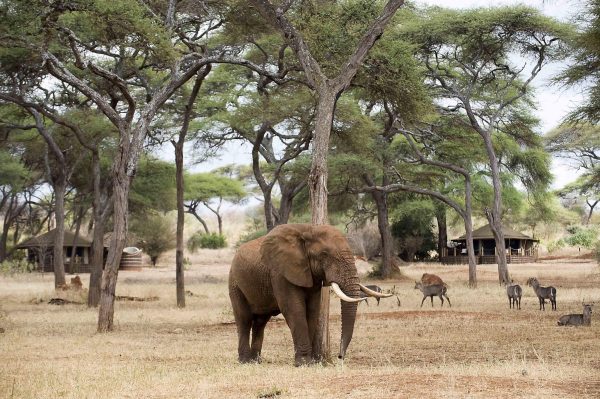
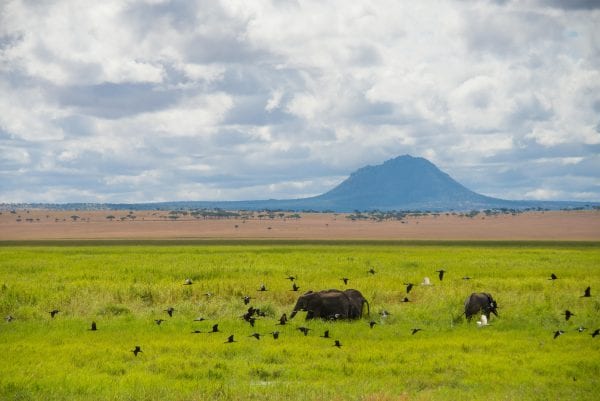
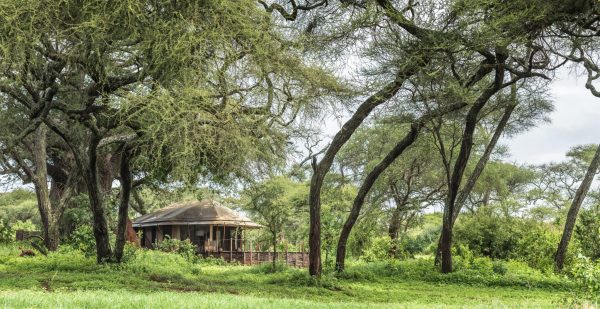
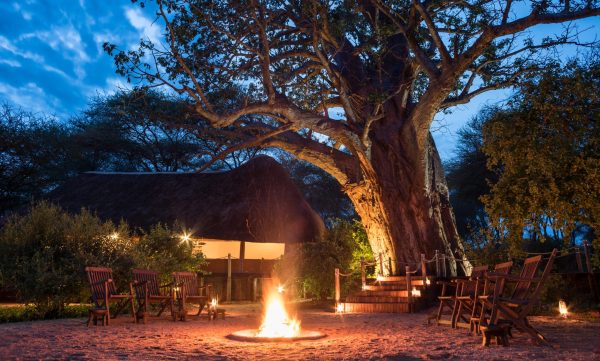
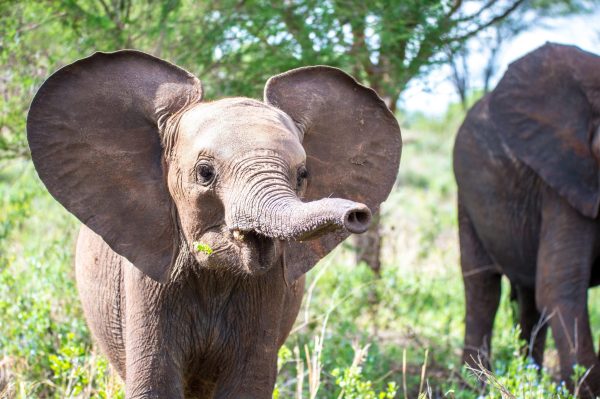
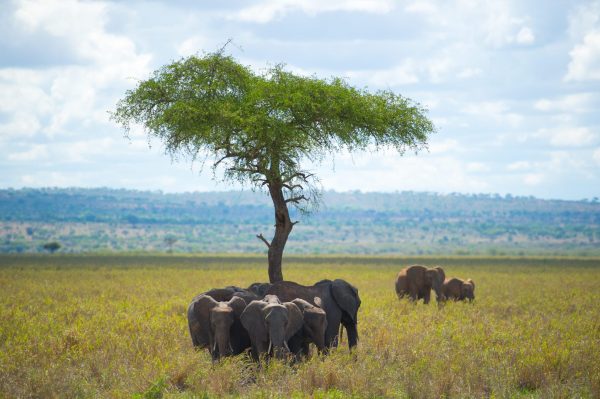
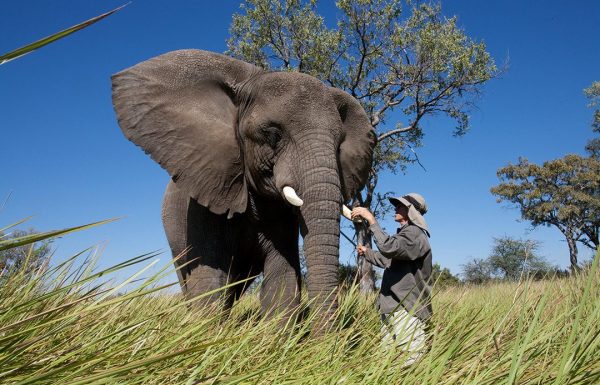
After an early breakfast, drive to Tarangire National Park – famous for its large elephant herds and picturesque landscapes dotted with baobab trees. Tarangire is one of the least visited parks in northern Tanzania yet its dense population of wildlife from July to November is second only to the Serengeti.
Bronze: Tortillas Tarangire – Breakfast, lunch & dinner included
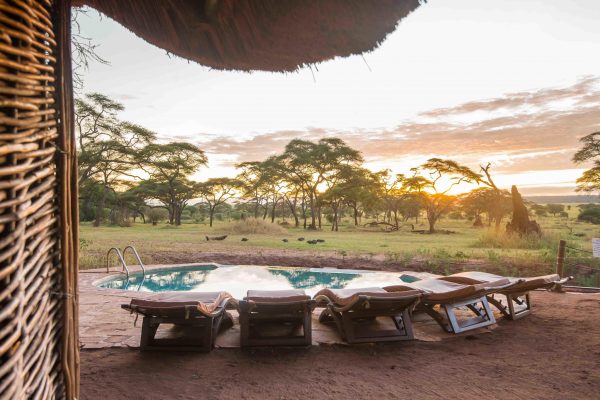
Silver: Sanctuary Swala – Breakfast, lunch & dinner included
Gold: Chem Chem – Breakfast, lunch & dinner included
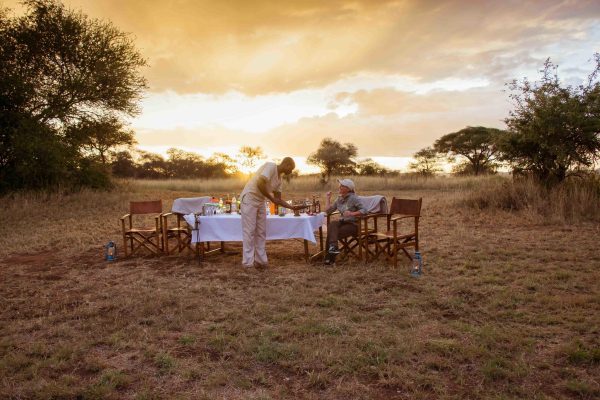
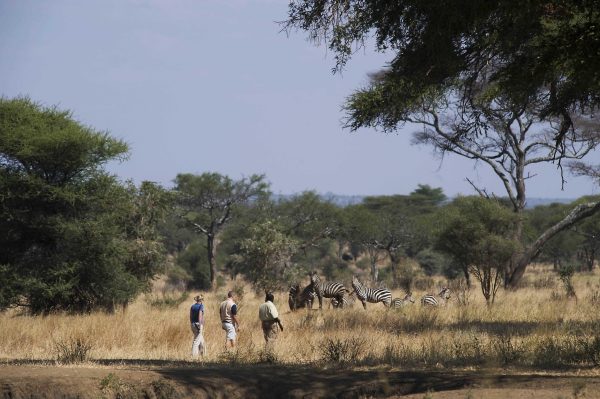
Today, set out into the park with a picnic lunch to maximize your time in this wonderful wilderness area. The park has expansive views with wide panoramas of wooded savannah stretching in every direction. The key feature of the park is the Tarangire River, a permanent water source of glacial melt from Mount Kilimanjaro and sustains the wildlife in this vast stretch of Tanzania’s Rift Valley. The river attracts tremendous concentrations of animals and birds.
Bronze: Tortillas Tarangire – Breakfast, lunch & dinner included
Silver: Sanctuary Swala – Breakfast, lunch & dinner included
Gold: Chem Chem – Breakfast, lunch & dinner included
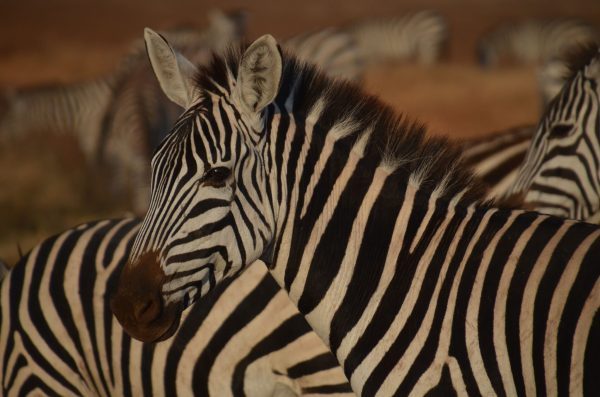
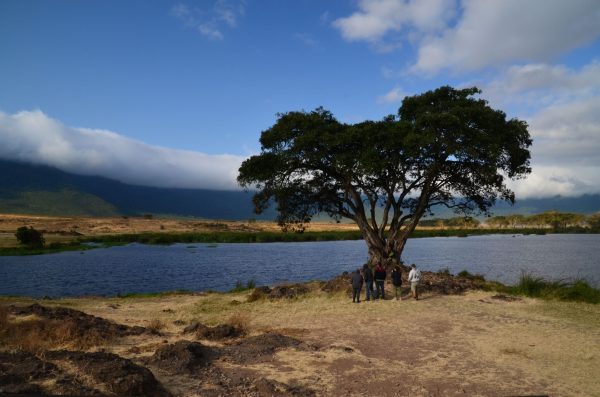
Drive up towards the Ngorongoro Crater. This deep, volcanic crater and the largest unbroken caldera in the world; about 20 kilometres (12.5 miles) wide, 600 meters (1,970 feet) deep and 300 square kilometres (116 square miles) in area, the Ngorongoro Crater is a breath-taking natural wonder. Within the crater rim, large herds of zebra and wildebeest graze nearby while sleeping lions laze in the sun.
On the way stop in at the AKP Women’s Bike Shop to see how the project has changed the lives of the ladies working there. There are also a number of other exciting activities available at an additional cost including a Tuk Tuk tour of the Mto wa Mbu village with a local lunch.
Bronze: Pamoja Farm Lodge – Breakfast, lunch & dinner included
Silver: Sanctuary Ngorongoro Crater Camp – Breakfast, lunch & dinner included
Gold: Ngorongoro Crater Lodge – Breakfast, lunch & dinner included
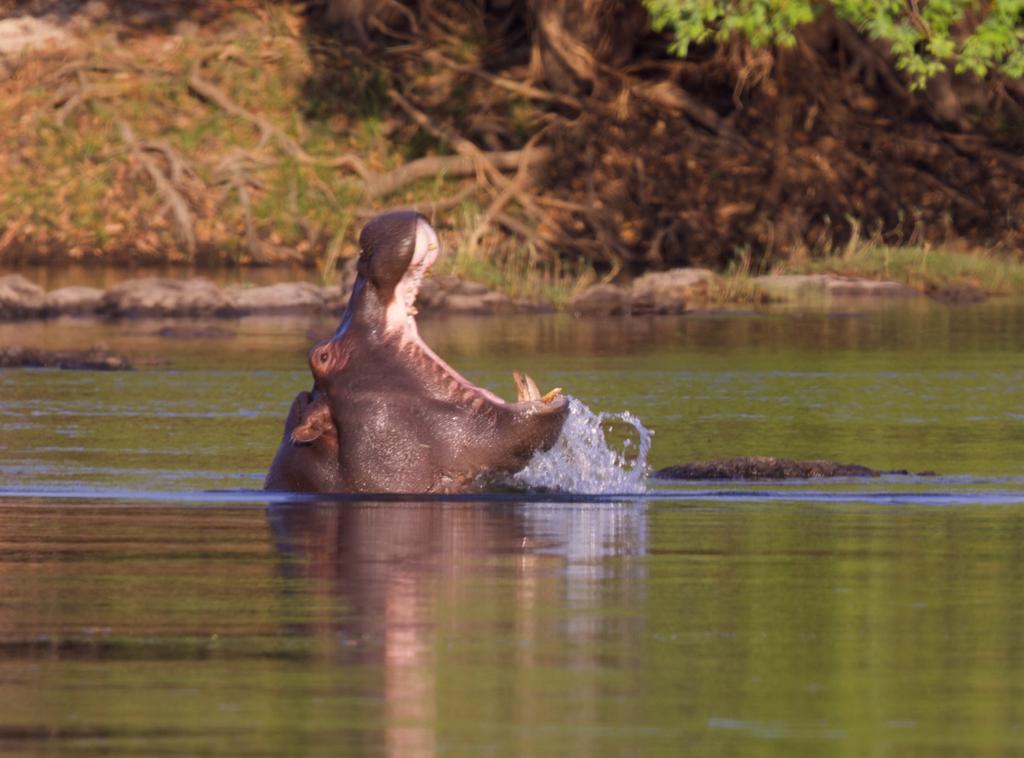
Your game drive today will be like no other as you visit one of the most dramatic safari destinations in Africa, the Ngorongoro Crater. Descend to the crater floor in search of the Big Five with the backdrop of the forest covered crater walls surrounding you, creating a stunning canvas for all your wildlife photographs. Travel through the Lerai Forest looking for leopard and onto the plains where the wildebeest and zebra graze whilst cheetah and lion lay and watch. Old elephants pass your vehicle whilst further afield rhino wander in search of grazing and hippos hide in the pools. A picnic lunch is provided so you can maximize your day in the crater.
Bronze: Pamoja Farm Lodge – Breakfast, lunch & dinner included
Silver: Sanctuary Ngorongoro Crater Camp – Breakfast, lunch & dinner included
Gold: Ngorongoro Crater Lodge – Breakfast, lunch & dinner included
Bronze: After breakfast, meet your guide and embark on your drive to Serengeti National Park.
Silver: Fly to the Serengeti when Sanctuary Kichakani Camp is in northern Serengeti and drive when it is in the south.
Gold: This morning, catch your flight to the Serengeti National Park. From the air enjoy the magnificent views of the Great Rift Valley Escarpment and, if it is clear, the Ngorongoro Crater.
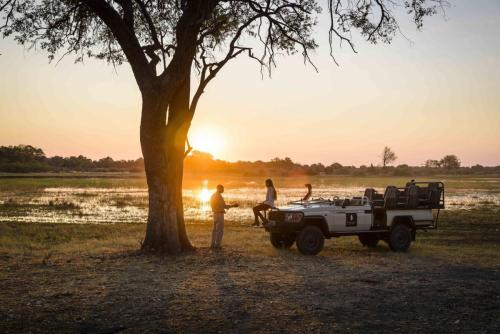
Enjoy your first Serengeti game drive on the way to the camp for check in followed by lunch. In the afternoon, venture out into the Serengeti’s game filled savannah for a game drive. Driving through the Serengeti in late afternoon, the light provides the perfect opportunity to capture some magical wildlife and landscape photographs. As the light fades return to your property for dinner.
Bronze: Pamoja Serengeti Camp – Breakfast, lunch & dinner included
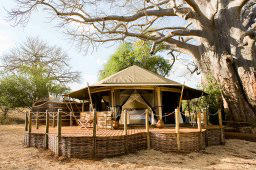
Silver: Sanctuary Kichakani – Breakfast, lunch & dinner included
Gold: One Nature Nyaruswiga – Breakfast, lunch & dinner included
Over the next two days explore the vast plains of the Serengeti and all its wonders.
Every year, triggered by the rains, 1.3 million wildebeest, 200,000 zebra and 300,000 Thomson’s gazelle gather to undertake the long trek to new grazing lands. The Serengeti is not only famous for the great Wildebeest Migration but also for the vast number of species that reside in the park year-round. The concentration of predators in the Serengeti is high with large prides of lion, numerous hyena clans and regular sightings of both cheetah and leopard.
Bronze: Pamoja Serengeti Camp – Breakfast, lunch & dinner included
Silver: Sanctuary Kichakani – Breakfast, lunch & dinner included
Gold: One Nature Nyaruswiga – Breakfast, lunch & dinner included
Today, you bid farewell to Tanzania. Fly back to Arusha where you will have a day room and a chance to freshen up before your evening flight back home with the fond memories of your time in this amazing country.

BEST TIME TO TRAVEL
BEST TIME TO TRAVEL
BEST TIME TO TRAVEL
Tanzania’s currency is the shilling. Notes are issued in denominations of 500, 1000, 2000, 5000 and 10000 shillings. Coins are issued in denominations of 10, 20, 50, 100 and 200 shillings, although the first two are seldom used. The local currency you may need during your stay in Tanzania should be obtained at authorised facilities such as banks and foreign exchange bureaus. US Dollars and British Pounds can also be exchanged at the airport on arrival. It is very difficult to exchange the shilling outside of Tanzania so we recommend that you change only as much as you will need. Major credit cards are accepted at most outlets in Tanzania. At some of our Sanctuary Retreats camps in Tanzania, we accept Visa, MasterCard or Amex, as well as cash.
If you enjoyed your stay with us the guidelines below can be used as a reference. Tipping is a very personal matter and it is not included for staff at our lodges and camps.
Tanzania has a tropical climate which is mainly characterised by warm days and cool evenings. December to March are usually the warmest months of the year, while June to August are the coolest. April and May often see intermittent rains, and from September to November the days are warm with short scattered rains falling in November.
GMT + 3 hours.
Tanzania’s official language is Swahili.
Travellers should check for visa requirements pertaining to their citizenship, as entry requirements vary between countries. All travellers, however, must be in possession of a passport with at least six months of validity left beyond the intended departure date from Tanzania.
For more information on Tanzania travel please visit http://tanzaniatourism.go.tz/en
RATES
Different package levels are Bronze, Silver & Gold.
From $7,336 – $24,329 USD – Please enquire for detailed rates.
Rates are per person twin or double share.
Single supplement on request.