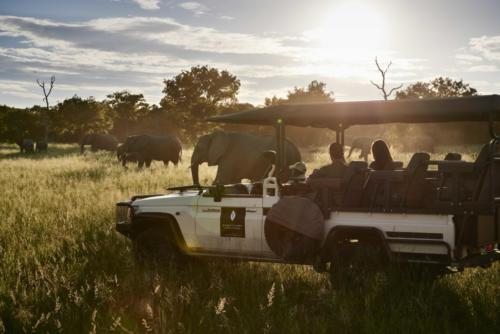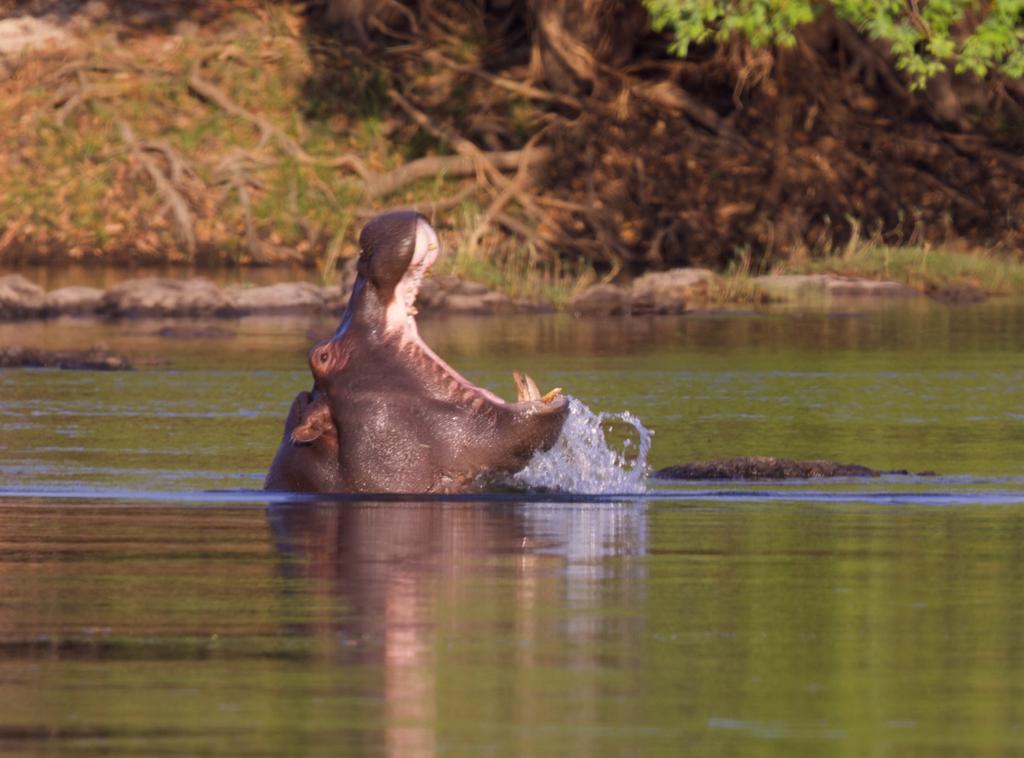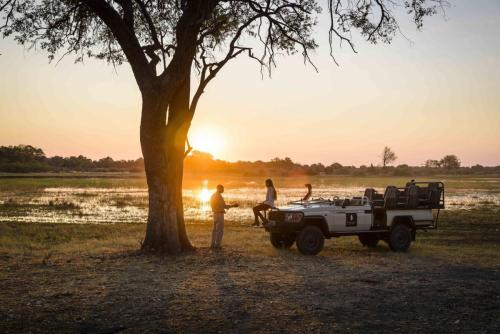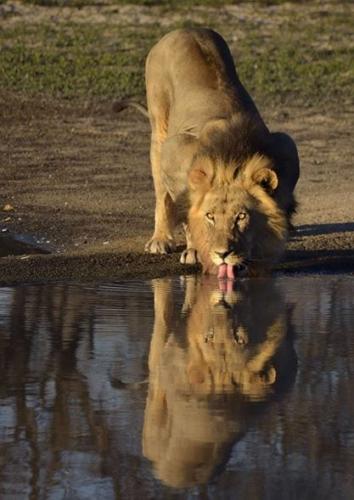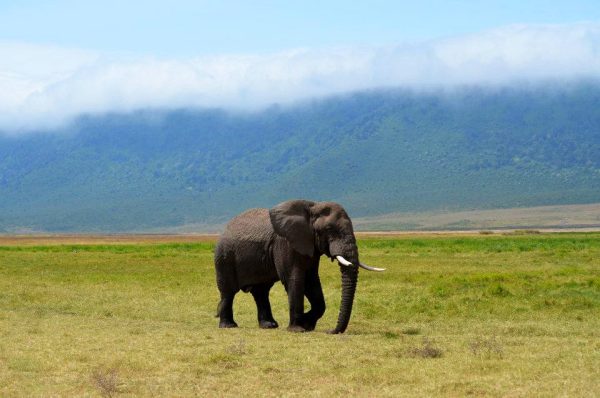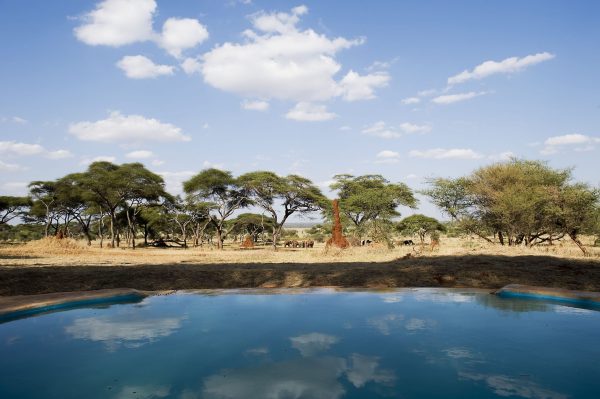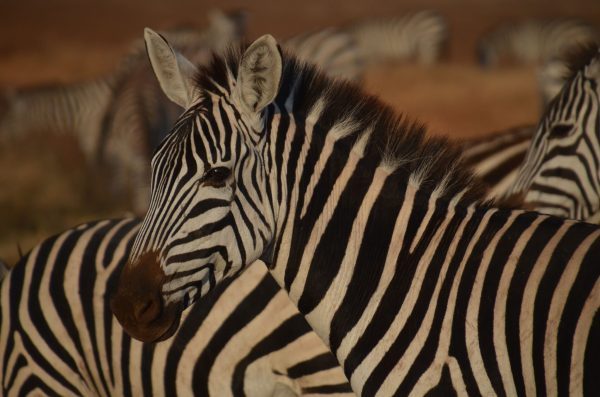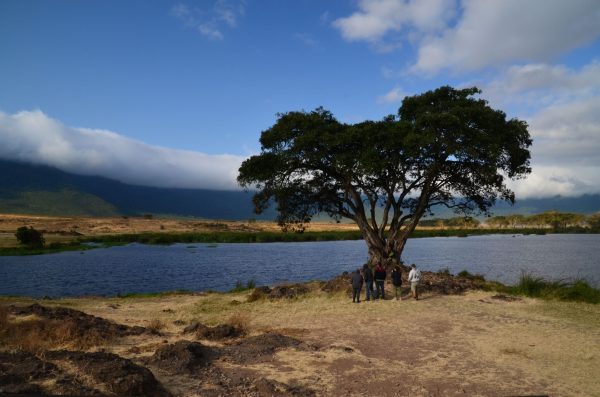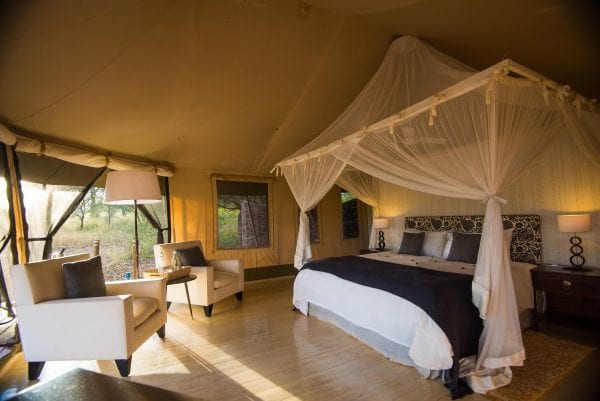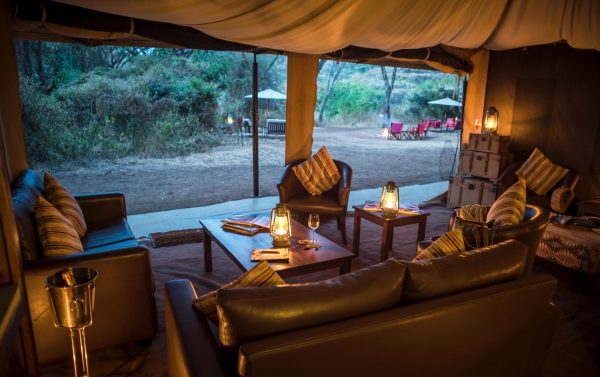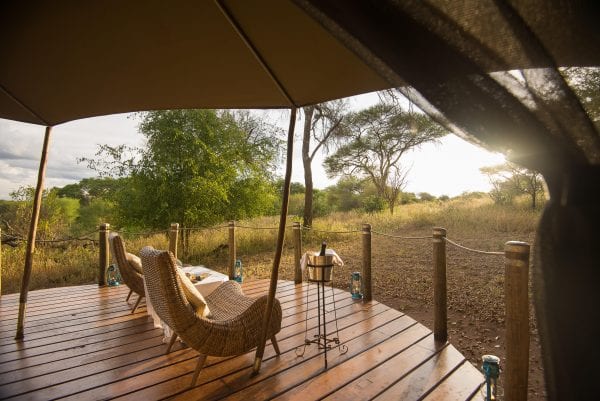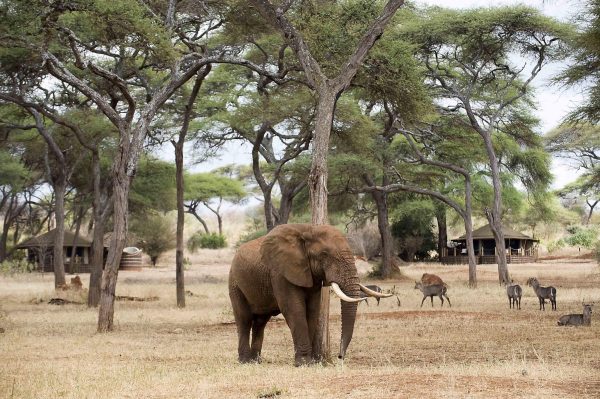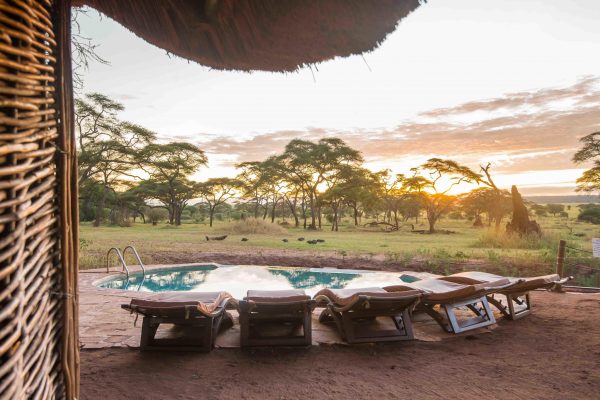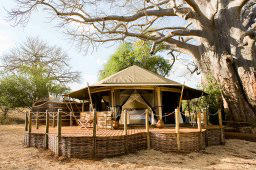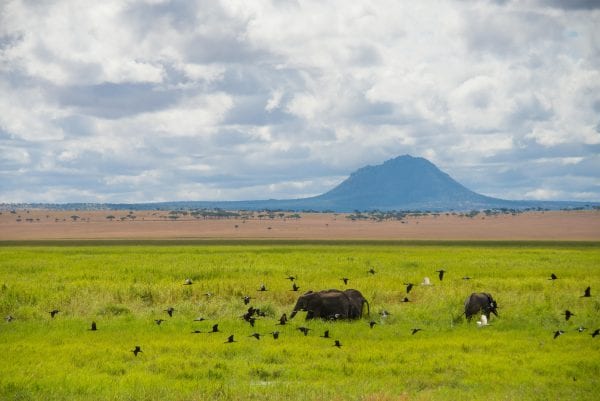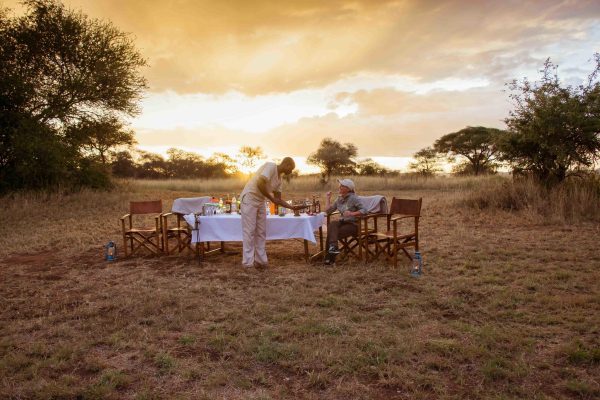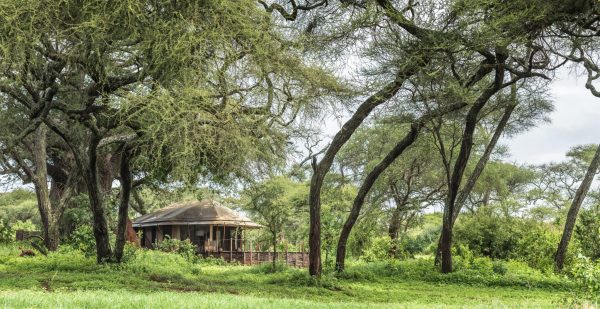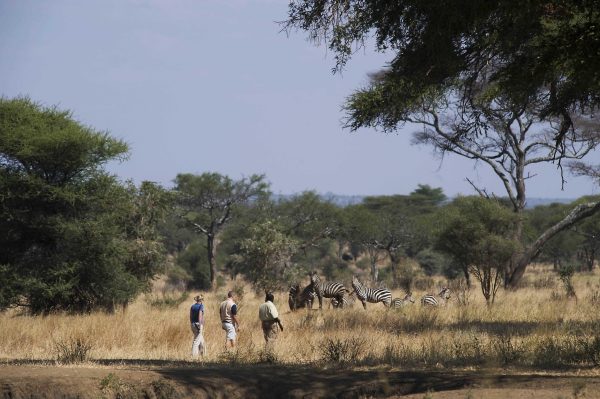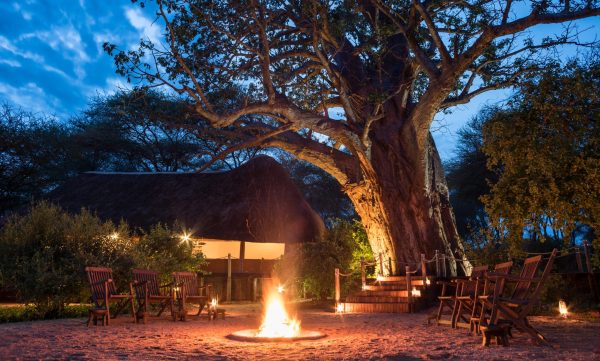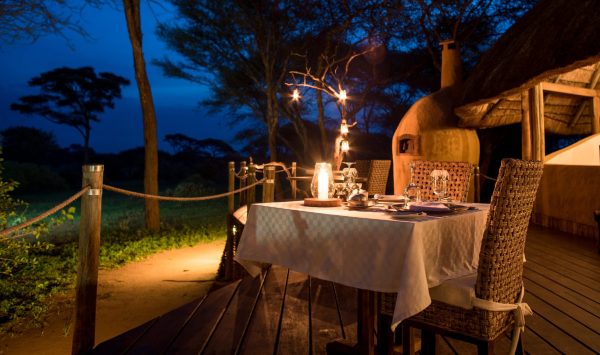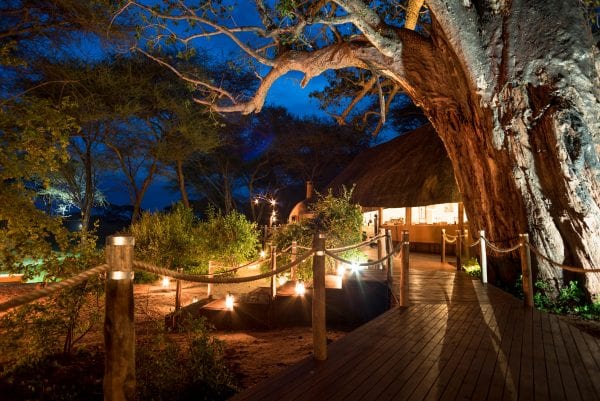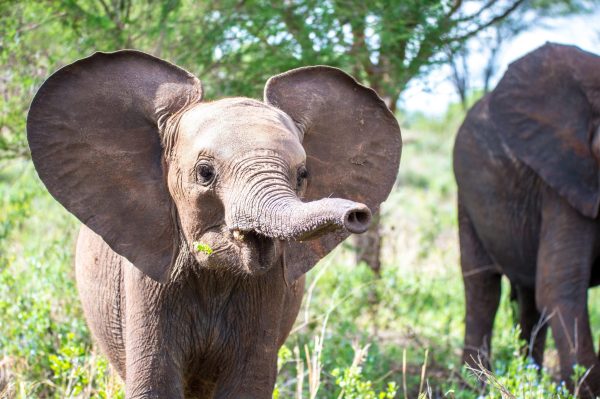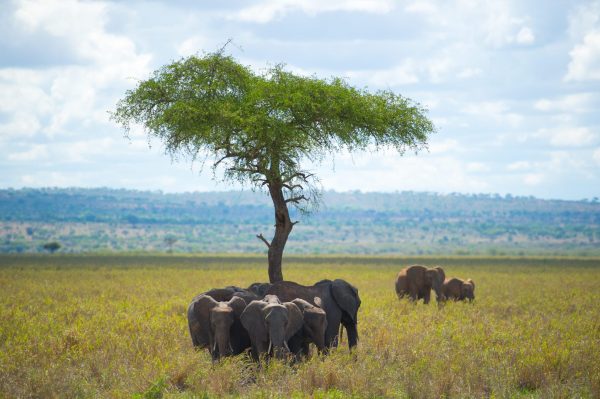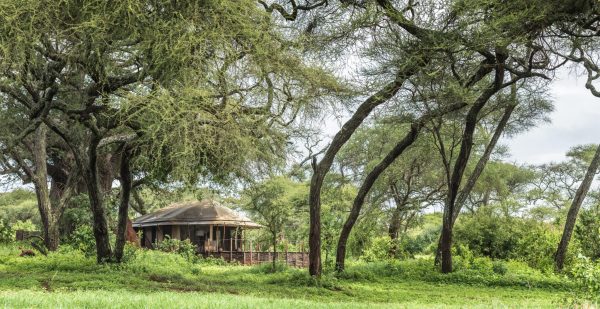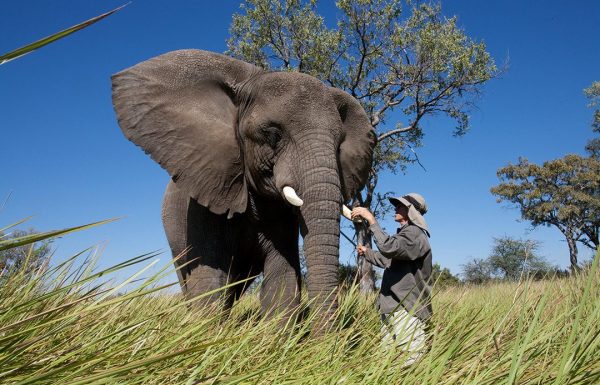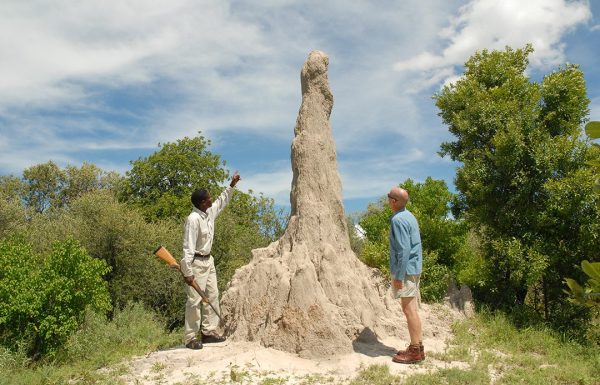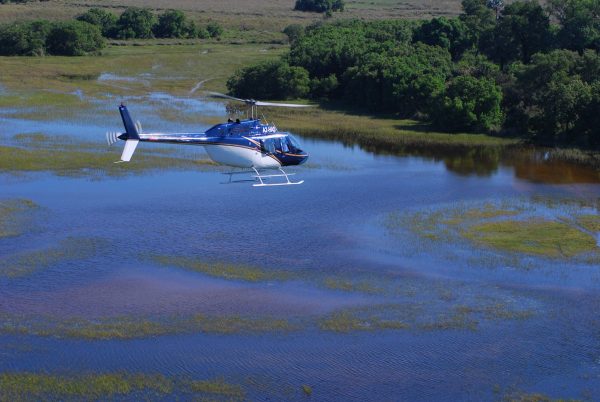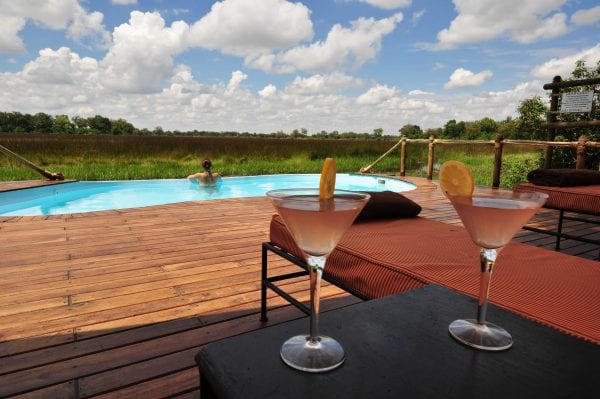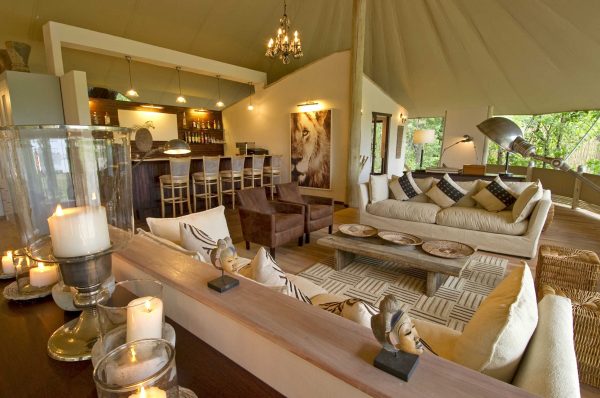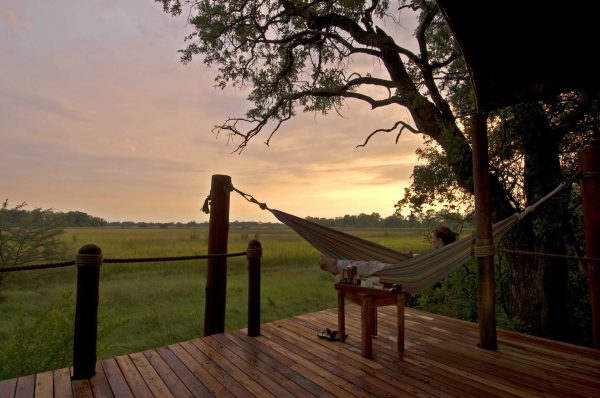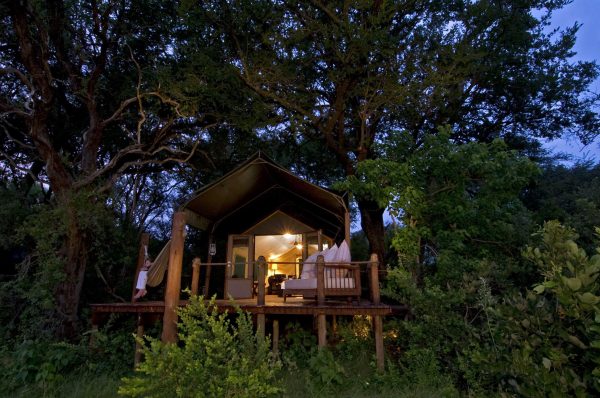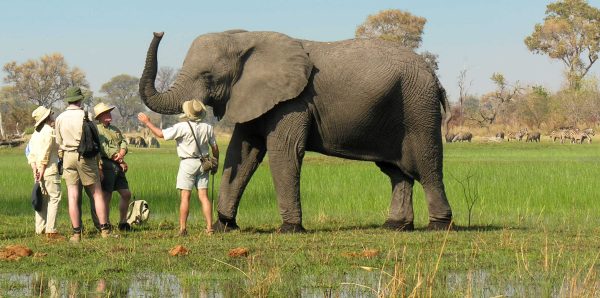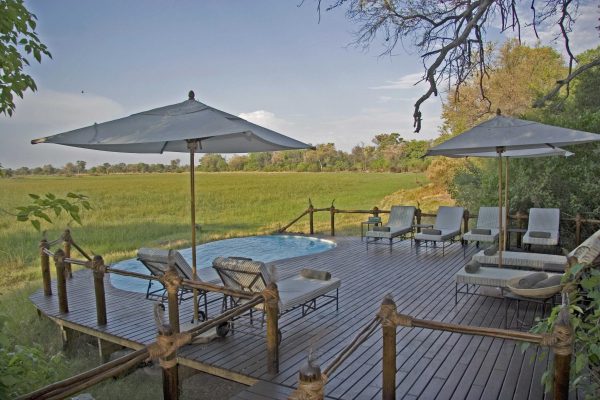
Begin your East African journey in the heart of safari country, Kenya, where legendary landscapes like the Masai Mara set the stage for exhilarating wildlife encounters. Experience iconic game drives among the Big Five and, if timed right, the awe-inspiring Great Migration. Then travel to Rwanda for a powerful contrast—lush, mountainous terrain and deeply moving moments as you trek through Volcanoes National Park to meet endangered mountain gorillas face to face. This thoughtfully designed tour combines the classic thrill of the Kenyan savannah with the intimate magic of Rwanda’s misty forests, offering a safari experience like no other.

Meru National Park – Nasi Mara National Reserve – Kigali – Volcanoes National Park
Upon arrival at Jomo Kenyatta International Airport, you will be met by your guardian angel and transferred to your hotel for the night.
Bronze: Fairmont The Norfolk
Silver: House of Waine
Gold: Hemingways Nairobi
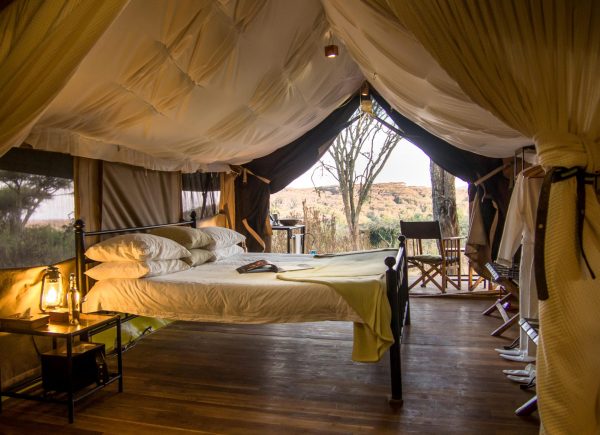
After breakfast, meet your driver guide at the hotel lobby and transfer to Wilson Airport for your morning flight to Meru National Park. On arrival, you are met and driven to your home for the next two nights. In the afternoon, enjoy a game drive in the park. Meru is best known as the inspiration for the film Born Free – the place where George and Joy Adamson raised and rehabilitated Elsa the lioness back into the bush.
Bronze: Rhino River – Breakfast, lunch, dinner & limited beverages included
Silver: Elsa’s Kopje – Breakfast, lunch, dinner & limited beverages included
Gold: Elsa’s Kopje – Breakfast, lunch, dinner & limited beverages included
Spend the day exploring Meru National Park with morning and evening game drives.
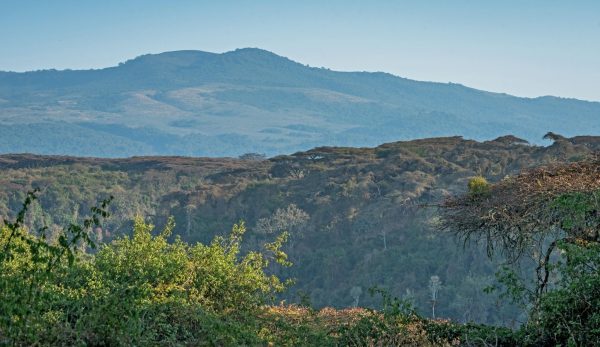
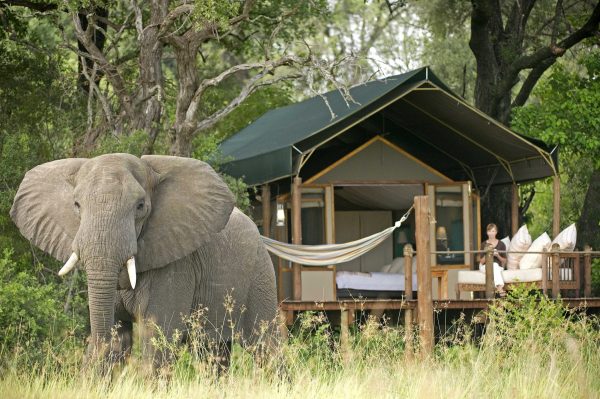
Situated to the northeast of Mount Kenya, Meru National Park is a small, well-protected reserve, with a variety of landscapes and wildlife unmatched in any other Kenyan park of its size. This rich slice of equatorial Africa is home to every animal, from large elephant and buffalo herds to hippo and crocodile, leopard, cheetah and wild dog, and the lions that remain the park’s most enduring symbol.
Bronze: Rhino River – Breakfast, lunch, dinner & limited beverages included
Silver: Elsa’s Kopje – Breakfast, lunch, dinner & limited beverages included
Gold: Elsa’s Kopje – Breakfast, lunch, dinner & limited beverages included
After your breakfast, bid Meru farewell and drive to the airstrip for your flight to the Masai Mara. On arrival at the airstrip, you will be met and transferred to camp. Enjoy lunch and an afternoon siesta before heading out on an evening game drive.
The Maasai Mara plays host to the most spectacular array of wildlife. 1,510 square kilometres (583 square miles) of broad biscuit-coloured savannah sprawls as home to huge numbers of birds (almost 600 species) and animals and is adjacent to the enormous expanse of the Serengeti; the two make up the most diverse ecosystem on the continent.
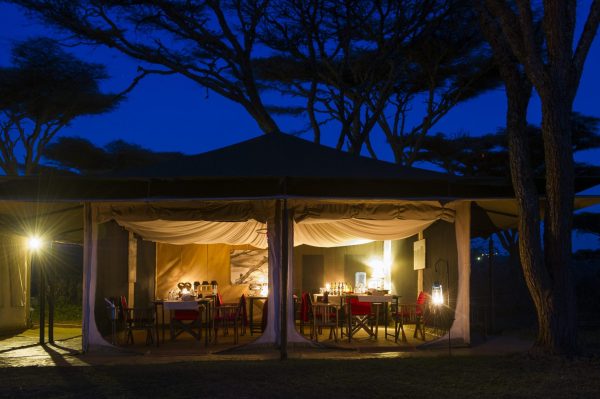
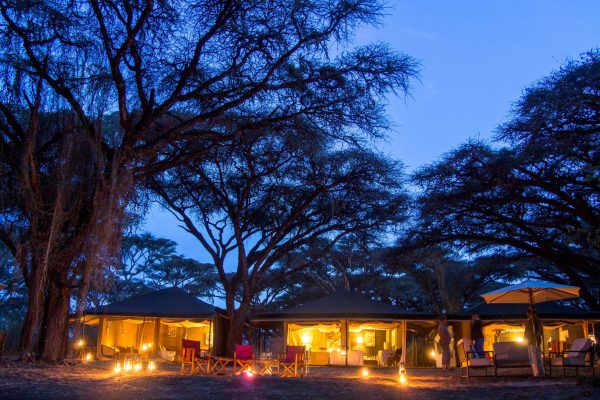
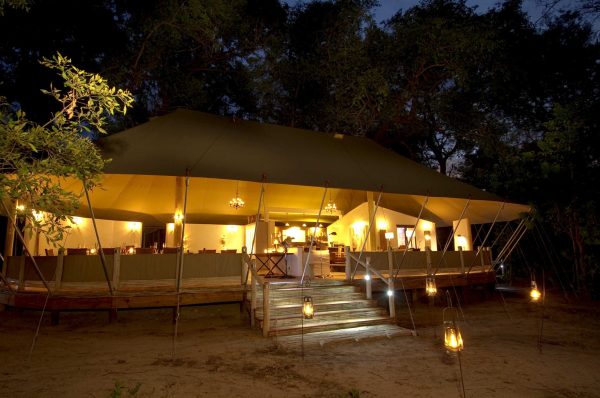
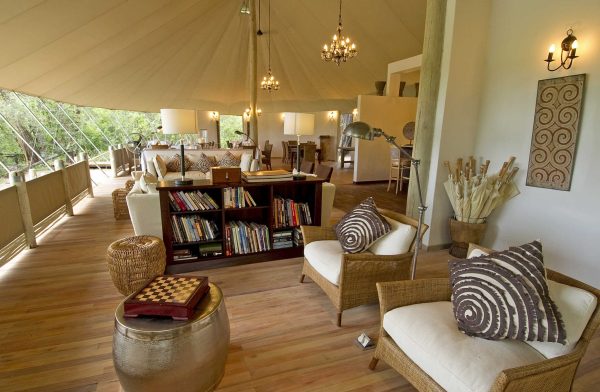
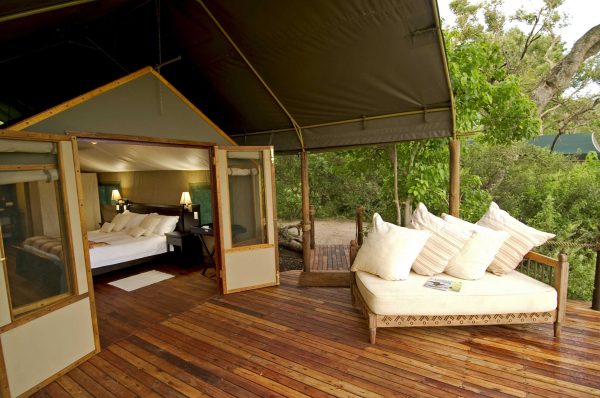
Bronze: Zebra Plains Mara Camp – Breakfast, lunch & dinner included
Silver: Sand River Camp – Breakfast, lunch & dinner included
Gold: Cottar’s 1920 Camp – Breakfast, lunch, dinner & limited beverages included
Spend the next two days exploring the Mara on morning and afternoon game drives.
Game viewing is never dull in the Mara, and patience is often rewarded with unique sightings: a pride of lion stalking their prey; a solitary leopard retrieving its kill from the high branches of an acacia tree; male wildebeest sparring to attract females into their harem; or even a herd of elephant protecting their young from opportunistic predators.
Bronze: Zebra Plains Camp – Breakfast, lunch, dinner & limited beverages included
Silver: Sand River Camp – Breakfast, lunch, dinner & limited beverages included
Gold: Cottar’s 1920’s Camp – Breakfast, lunch, dinner & limited beverages included
After breakfast, fly back to Nairobi and catch your connecting flight to Kigali. You are met by your guardian angel and transferred to your hotel for to night.
Bronze: Kigali Serena – Breakfast, lunch, dinner & limited beverages included
Silver: Kigali Marriot – Breakfast, lunch, dinner & limited beverages included
Gold: The Retreat – Breakfast, lunch, dinner & limited beverages included
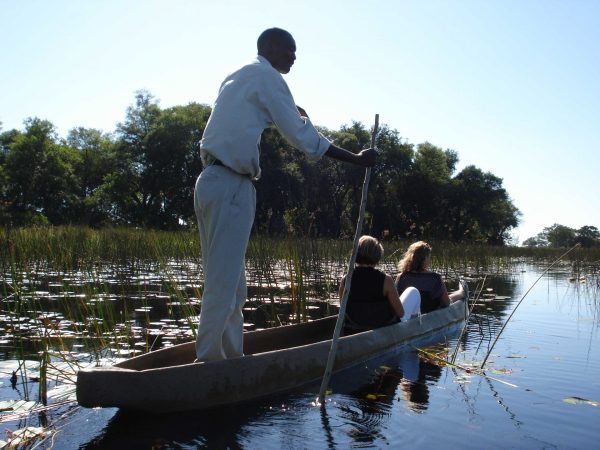
This morning drive to Volcanoes National Park. After lunch, set off on an afternoon canoe ride on the Mukangwa River. The Mukungwa River runs through the foothills of the Virunga Volcanoes and gliding lightly down it in a modern canoe is a unique way to soak up the countryside and local rural life.
Bronze: Amakoro Songa – Breakfast, lunch, dinner & limited beverages included
Silver: Sabyinyo Silverback Lodge – Breakfast, lunch, dinner & limited beverages included
Gold: Singita Kwitonda – Breakfast, lunch, dinner & limited beverages included
Today, head out for a gorilla tracking adventure. Meet your guides, porters and other trackers at the park headquarters for the briefing before commencing the tracking. Once you find the gorillas, spend an unforgettable hour with them.
Bronze: Amakoro Songa – Breakfast, lunch, dinner & limited beverages included
Silver: Sabyinyo Silverback Lodge – Breakfast, lunch, dinner & limited beverages included
Gold: Singita Kwitonda – Breakfast, lunch, dinner & limited beverages included
After an early breakfast, head back to the forest for a Golden monkey tracking adventure. In the afternoon, visit the Dian Fossey Foundation at the Ellen DeGeneres Campus and thereafter go on a community walk of Kinigi that will end at the Kinigi Single Mothers Sewing Center, which supports single, teenage mothers by teaching them how to sew.
Bronze: Amakoro Songa – Breakfast, lunch, dinner & limited beverages included
Silver: Sabyinyo Silverback Lodge – Breakfast, lunch, dinner & limited beverages included
Gold: Singita Kwitonda – Breakfast, lunch, dinner & limited beverages included
This morning, drive back to Kigali and depart.

BEST TIME TO TRAVEL
BEST TIME TO TRAVEL
We urge you to try to spend all of your Francs while you are in Rwanda because the reverse exchange rate from Francs is very unfavorable. Be aware that only paper currency will normally be accepted for exchange. Very few places in Rwanda accept credit cards. Only the major hotels in Kigali plus a few airlines accept them. There are money-changing facilities in Kigali, which we recommend you use, as it is more difficult to change money while on safari. Visitors are advised that if they are carrying US Dollar cash with them, the notes should be no smaller than $100 denomination, and should have been issued no earlier than 2000. We recommend that you carry cash for convenience and security, and that you change about US$200-300 of this into Rwanda francs at the start of your tour. Cash is more easily exchanged in Rwanda, as many facilities are very reluctant to accept payment by traveler’s cheque.
Best time to go to Rwanda
A combination of tropical location and high altitude ensures that most of Rwanda has a temperate year-round climate. Temperatures rarely stray above 30 degrees Celsius by day or below 15 degrees Celsius at night, throughout the year. The exceptions are the chilly upper slopes of the Virunga Mountains, throughout the country, seasonal variations in temperature are relatively insignificant. Most parts of the country receive in excess of 1,000 mm of precipitation annually, with the driest months being July to September and the wettest February to May.
The time zone in Rwanda is GMT +2 hours throughout the year.
Kinyarwanda is the official language in Rwanda, although French and English are widely spoken and understood.
All visitors, except nationals of a few exempted countries, require a Visa to enter Rwanda. Citizens of the following countries enjoy visa FREE entry into Rwanda for a period of 90 days: Benin, Central African Republic, Chad, Ghana, Guinea, Indonesia, Haiti, Senegal, Seychelles, Sao Tomoe, Principe, Democratic Republic of Congo, East African Member Community Partner States, Mauritius, Philippines and Singapore.
Citizens of all other countries can get visa upon arrival at the port of entry. The entry visa fee is valid for a period of up to 30 days. Citizens of COMESA member states can get a 90 day visa on arrival on payment of the prescribed fee.
The Government of Rwanda has waived visa for holders of Diplomatic and Service Passports from the following countries: Djibouti, Ethiopia, Gabon, Guinea, India, Israel, Morocco and Turkey.
The East Africa Tourist Visa allows entry to Rwanda, Uganda and Kenya. Applications should be made in advance with the country to be entered first. For Rwanda, applications can be made with the Directorate General of Immigration and Emigration or at any Rwandan Embassy or Diplomatic Mission, or online. Once an online application is approved, the visa can be collected upon arrival at Kigali International Airport. Cost is US$100 and validity is 90 days.
The small amount of local currency you may need during your stay in Kenya can be obtained at authorized facilities (such as at authorized hotels, banks and foreign exchange bureaus). Clients going directly on safari upon arrival in Nairobi may exchange money at the airport currency exchange if they wish.
Porters: A tip of US $1.00 per person is appropriate for two pieces of baggage at airports, hotels, lodges and camps. If you are travelling with more than two pieces of baggage, an additional tip of US $1.00 per bag is recommended.
Driver-Guide: One driver-guide accompanies each land vehicle on safari. It is customary to tip your driver-guide on the last day you are with him or her. Approximately US $5 – US $7 per traveller per day is considered a good tip for a driver-guide (based on 4 – 6 travellers in a vehicle). If there are only 2 or 3 travellers in a vehicle, you may consider raising this amount to approximately US $6 – US $8 per traveller per day in recognition of the individual attention given to a smaller size group.
Safari Escort: In addition to a driver-guide, some groups are accompanied by a professional safari escort. It is customary to tip your safari escort on the last day you are with him or her, and the recommended tip is US $8 to US $10 per traveller, per day. As with the tip for a driver guide, smaller groups (in this case, 5 or less) might consider tipping slightly more – in the range of approximately US $10 – US $12 per traveller per day.
Mobile Camping: If you are travelling on an mobile camping safari (either independently or on a programme) you will be served by a camp manager and several staff, for whom an overall tip of US $10 – US $14 per traveller per day in camp is recommended. This should be given to your guide on the last day for distribution among all camp staff. Again, smaller groups (in the case of 5 or less) might consider tipping in the slightly higher range of approximately US $12 – US $18 per traveller, per day (this applies to the exclusive camps, where tips are not included, and not to the permanent tented camps).
Best time to go to Kenya
Best time to go: June to October, December to March
Best value time to go: April, May and November
Kenya is a year round destination and has something different to offer visitors throughout the year. In January and February it is hot and dry, and the animals gather round the water sources making for easy game viewing. There are also large concentrations of bird life on some of the Rift Valley lakes around this time. March to May is the green season and for some this is the best time to travel – the rain usually falls in short showers with bursts of sunshine in between, making everything refreshingly beautiful and green. July to September are the country’s coolest months and the famous wildebeest migration is traditionally present in Kenya around this time. The incredible migration only happens in East Africa and around this time the grasslands of the Masai Mara in Kenya are covered by a mass of moving wildebeest as far as the eye can see. October to January is also a delightful time to visit Kenya and compares to springtime, the days are warm and the evenings cool. Short, scattered rains fall in November to freshen up the country and lay the dust. This is also a good time for snorkelling and diving off the coast.
GMT + 3 hours.
English and Swahili are the official languages in Kenya.
This is a guide only – please check with your nearest Kenya Embassy to ensure you meet the correct requirements. Travellers should check for visa requirements pertaining to their citizenship, as entry requirements can vary.
To facilitate an efficient visa application process, the Government of Kenya provides an online visa application portal, `eVisa’ from where travellers to the country can now apply for their Kenya entry visas. This facility has been made available for single entry tourist and transit visas only. Visas can still be obtained in Kenyan diplomatic missions abroad or at the airports upon arrival in Kenya.
Children under the age of 16 do not need a visa to get into Kenya.
All visitors are required to carry a passport that is valid for six months beyond the intended length of stay. There should be sufficient blank pages for entry stamps upon arrival.
It is imperative that every traveller arrives on tour with the proper documentation.
RATES
Different package levels are Bronze, Silver & Gold.
From $22,742 – $27,993 USD – Please enquire for detailed rates.
Rates are per person twin or double share.
Single supplement on request.